 ultimate-guide
Aerial Videography for Luxury Real Estate: A Complete Guide
Table of Contents
- Why Aerial Videography Transforms Luxury Real Estate Marketing
- Cinematic Drone Videography Techniques for High-End Properties
- Drone Video Length for Property Listings: What Works
- FAA Part 107 Requirements for Real Estate Drone Operations
- Real Estate Drone Photography Pricing and ROI for Agents
- Essential Equipment and Technical Specifications
- From Capture to Delivery: Post-Production Workflow
- Frequently Asked Questions
Last Updated: September 3, 2026
Why Aerial Videography Transforms Luxury Real Estate Marketing
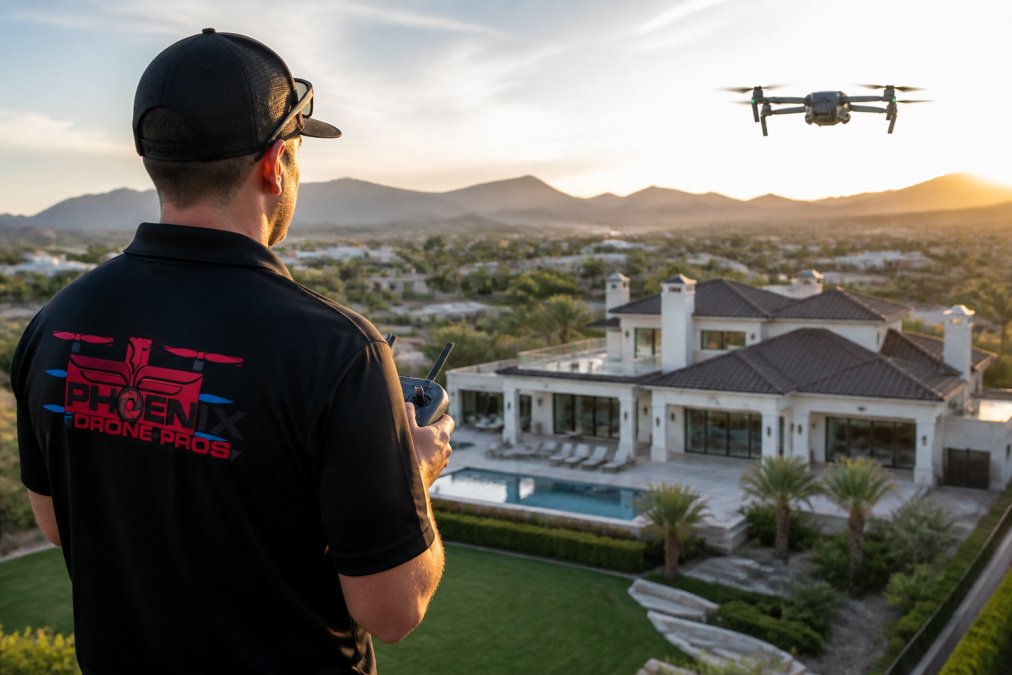
Aerial videography for luxury real estate has become the gold standard for showcasing high-end properties. When done right, it transforms how potential buyers perceive a listing, moving them from passive viewers to genuinely interested prospects before they ever step foot on the property.
The difference is striking. A static listing photo shows a house. Aerial videography shows a lifestyle. It captures the relationship between the property and its surroundings: the mature trees, the pool in context, the neighboring estates, the street appeal that photographs from ground level simply cannot convey. For luxury properties, this context is everything.
At Phoenix Drone Pros, we've worked with real estate agents across high-end markets. The reason is straightforward, buyers of luxury properties expect a comprehensive visual story, not just images.
Cinematic drone footage accomplishes what traditional photography cannot. It creates emotional engagement. When a buyer watches a smooth, sweeping cinematic sweep across a property's grounds, they're already imagining themselves there. That's the power of aerial videography for luxury real estate done with technical precision and artistic intent.
The investment in professional aerial videography isn't about having a trendy feature, it's about addressing how luxury buyers actually evaluate properties. They want to see scale, land features, property boundaries, and the overall positioning within the neighborhood. Aerial footage delivers all of that in a format that's increasingly expected in the luxury segment.
Cinematic Drone Videography Techniques for High-End Properties
Flight Path Planning and Dynamic Movement
Professional aerial videography for luxury real estate starts with intentional flight planning. The most common mistake is treating drone footage like a static photograph, hovering in one spot and panning. That approach looks amateurish and fails to showcase the property's scale and context.
Instead, plan dynamic movement that tells a story. Begin with an establishing shot from a distance that shows the property within its landscape. Then move progressively closer, revealing details: the architectural lines, the pool, the landscaping, the relationship between structures. This progression mirrors how a potential buyer would naturally explore the property.
Flight paths should be smooth and deliberate. Avoid erratic movements or rapid altitude changes, these create motion sickness in viewers and signal amateur work. A well-planned flight path typically moves at a consistent speed, allowing viewers to absorb each visual element without disorientation.
For luxury properties, consider multiple flight passes that approach from different angles. One pass might emphasize the front elevation and street presence. Another might focus on the backyard and outdoor living spaces. A third could showcase the property's position relative to natural features or neighboring properties. This multi-angle approach gives buyers a comprehensive understanding of the property's positioning.
The altitude of your shots matters significantly. Low-altitude photography at 30-50 feet emphasizes architectural details and landscaping. Mid-altitude shots at 75-150 feet show the property within its immediate surroundings. High-altitude shots above 200 feet establish context, showing the neighborhood, nearby amenities, and geographic features. Professional aerial videography for luxury real estate incorporates all three altitude ranges.
Lighting, Color Grading, and Visual Storytelling
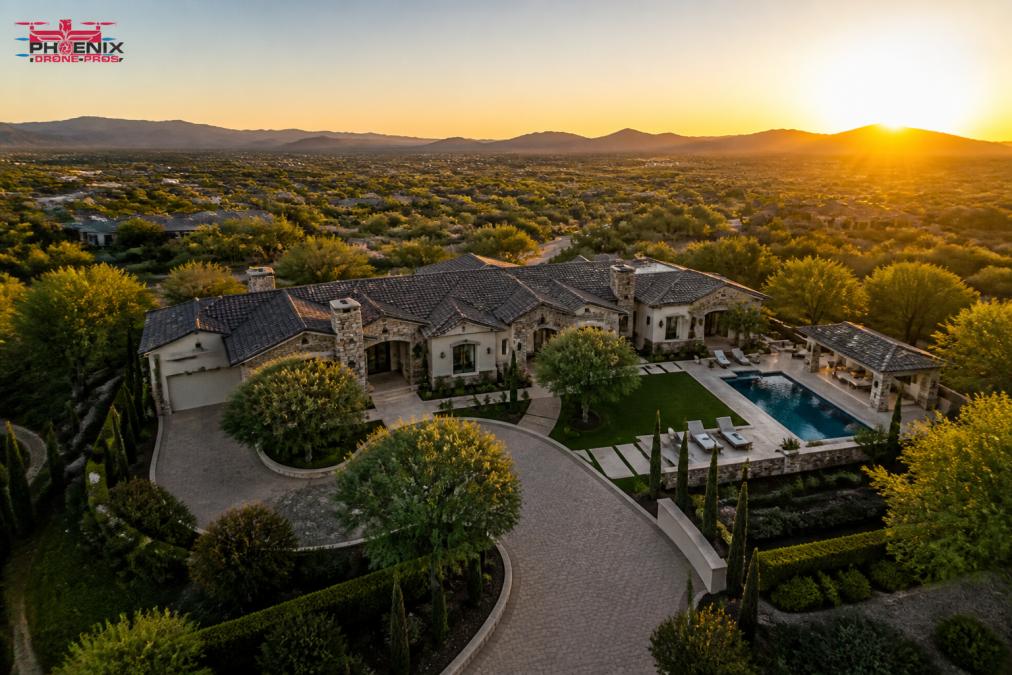
Timing is everything in aerial videography for luxury real estate. Golden hour, the period shortly after sunrise or before sunset, creates natural, flattering light that enhances property appeal. During golden hour, shadows are longer and softer, architectural features pop, and landscaping appears more vibrant. This is when professional drone pilots schedule luxury property shoots.
However, golden hour is just the starting point. Color grading in post-production transforms raw footage into the polished, aspirational content that luxury marketing demands. A skilled editor applies consistent color grading that enhances warmth, increases saturation slightly, and ensures skin tones and natural elements appear inviting rather than clinical.
Visual storytelling through drone movement is where amateur and professional work diverge dramatically. A professional operator doesn't simply fly the drone around the property. Instead, they choreograph movement that emphasizes the property's best features, creates visual momentum, and maintains viewer interest throughout the video.
Consider the narrative arc: establish the property's position in the neighborhood, reveal the architectural presence, showcase outdoor living spaces, highlight unique features, and conclude with a memorable final shot. This structure guides viewers through the property logically and emotionally.
Dynamic range, the camera's ability to capture detail in both bright and dark areas, directly impacts luxury property presentation. Overexposed skies or underexposed details in shaded areas damage credibility. Professional aerial videography uses ND filters (neutral density filters) to control exposure, ensuring that both bright exterior walls and shadowed architectural details retain detail and visual interest.
Drone Video Length for Property Listings: What Works
The ideal video length for property listings is 90-120 seconds for primary marketing materials. This duration captures sufficient detail to showcase the property comprehensively while maintaining viewer attention, critical for luxury buyers who expect polish and professionalism but won't tolerate excessive length.
Shorter videos of 30-60 seconds work well for social media platforms where attention spans are limited. These abbreviated versions should focus on the property's most compelling features: the architectural statement, the pool, or the landscape. Think of short-form content as a teaser that drives viewers to the full listing video.
Longer videos of 3-5 minutes are appropriate for detailed property showcases or when combined with interior footage. However, these extended videos require superior production quality and pacing. Poorly executed longer videos lose viewers rapidly. Each segment must justify its length with either visual interest or relevant information.
The structure of your drone video matters more than total length. A well-paced 90-second video with varied shots, smooth transitions, and clear focal points outperforms a sluggish 120-second video with repetitive angles. Variety in altitude, movement direction, and shot composition keeps viewers engaged.
For luxury properties specifically, consider creating multiple video assets: a 60-second highlight reel for social media and listing sites, a 120-second comprehensive showcase for the main listing page, and a 3-minute extended feature for serious prospects. This tiered approach maximizes reach across different platforms and viewing contexts. buying high-value property.
FAA Part 107 Requirements for Real Estate Drone Operations
Operating a drone for commercial real estate photography requires FAA Part 107 certification (faa.gov). This is non-negotiable, flying without proper certification exposes you to federal penalties and liability issues that no property sale justifies.
Part 107 certification requires passing a knowledge test administered by the FAA. The exam covers airspace regulations, weather considerations, safety protocols, and operational limitations. Once certified, Part 107 pilots must renew every 24 months through a recurrent exam or practical checkride. If you're looking to formalize your drone operations, Done flight training can help you prepare for certification and ensure you're operating within all regulatory requirements.
Key operational restrictions under Part 107 include: flights must remain within visual line of sight, maximum altitude is 400 feet above ground level, drones cannot fly over people or moving vehicles without a waiver, flights are limited to daylight hours, and commercial operations require a valid Part 107 certificate (faa.gov). Violating these restrictions results in substantial federal fines.
Insurance is equally critical. Commercial drone liability insurance protects you and property owners if equipment damage or injury occurs during operations. Many real estate agents and brokers now require proof of insurance before permitting drone operations on their listings. Professional operators at Phoenix Drone Pros maintain comprehensive coverage that addresses property damage, bodily injury, and equipment liability.
Airspace authorization is required for flights in controlled airspace near airports. The FAA's LAANC (Low Altitude Authorization and Notification Capability) system provides automated airspace clearance for most situations. Always verify airspace restrictions before scheduling flights, operating in restricted airspace without authorization violates federal regulations.
Weather considerations are often underestimated. Part 107 restricts flights in winds exceeding 19 miles per hour and prohibits operations in precipitation (faa.gov). Wind not only affects flight stability but also impacts video quality, windy conditions create gimbal stabilization challenges that even professional operators struggle to overcome.
Real Estate Drone Photography Pricing and ROI for Agents
Pricing for aerial videography for luxury real estate varies based on property size, complexity, and deliverable requirements. Factors influencing cost include flight time, post-production complexity, color grading depth, and delivery timeline. For commercial real estate portfolios, a Video Offering Memorandum can provide comprehensive visual documentation that enhances property presentations to institutional buyers. For a comprehensive quote reflecting your specific property, contact Phoenix Drone Pros directly to discuss your listing's unique requirements.
ROI analysis for luxury agents reveals compelling returns. Buyers of luxury properties expect comprehensive visual documentation, aerial footage is no longer a premium add-on but a baseline expectation.
Beyond the immediate sale, aerial videography serves broader marketing purposes. Video content performs exceptionally well on social media and luxury real estate websites. A single property video can drive dozens of qualified leads and establish an agent's credibility within the luxury segment.
For construction project documentation and commercial properties, aerial videography provides measurable project tracking value. Regular aerial documentation creates visual progress records that satisfy stakeholders and facilitate project management communication.
Essential Equipment and Technical Specifications
Professional aerial videography for luxury real estate requires specific equipment capabilities. The drone itself must deliver 4K resolution video, this is the baseline standard for luxury property marketing. 4K resolution provides sufficient detail for close-up examination of architectural features and landscaping.
A mechanical gimbal stabilization system is essential. Gimbal stabilization compensates for drone movement and vibration, producing smooth video even in light wind. Consumer drones with poor gimbal systems produce jittery footage that looks amateurish and devalues the property presentation.
Wide-angle lenses are standard for property videography. A 24mm equivalent focal length (in 35mm terms) captures expansive views while maintaining natural perspective. Avoid extremely wide angles, they distort architectural lines and create unflattering property presentations.
Frame rate selection impacts the final video aesthetic. 24 frames per second produces cinematic appearance suitable for luxury property marketing. 30 fps provides slightly smoother motion for slower movements. 60 fps is useful for slow-motion sequences but should be used sparingly in property videos.
Shutter speed requires careful management. A shutter speed of 1/100th of a second (double your frame rate) produces natural motion blur that enhances cinematic quality. Faster shutter speeds create stuttering motion; slower speeds introduce excessive motion blur.
ND filters are critical accessories. These neutral density filters reduce light entering the camera, allowing you to maintain proper shutter speed in bright conditions. Without ND filters, you're forced to use fast shutter speeds that create unnatural, choppy motion.
A reliable battery system ensures consistent flight time. Professional operations require multiple batteries to enable back-to-back flights without extended charging delays. Extended flight time allows comprehensive property coverage without interruption.
From Capture to Delivery: Post-Production Workflow
Raw drone footage requires substantial post-production work before it's suitable for luxury property marketing. The workflow begins with footage review and selection, identifying the best takes from multiple flight passes and organizing clips by property feature.
Color grading is where raw footage transforms into polished marketing content. Professional color grading enhances warmth, increases saturation slightly, and ensures consistent color across all clips. This step requires skilled editing and artistic judgment, overly aggressive color grading looks artificial and damages credibility.
Transitions between clips deserve careful attention. Abrupt cuts between shots feel jarring. Smooth transitions, dissolves, fades, or matched-action cuts, guide viewers through the property narrative seamlessly. Subtle transitions maintain professional appearance without distracting from the property itself.
Audio complements visual storytelling. Gentle background music that matches the property's aesthetic enhances emotional engagement. Avoid overly dramatic or trendy music, it dates the video and shifts focus away from the property. Many luxury property videos use subtle ambient music or nature sounds.
Text overlays should be minimal and elegant. Property address, key features, or agent contact information can be incorporated, but excessive text clutters the visual presentation. Any text should use professional fonts and maintain consistent styling throughout the video.
Final delivery requires multiple formats. Provide the primary video in 4K resolution for website embedding, compressed versions for social media platforms, and mobile-optimized versions for smartphone viewing. Different platforms have different technical requirements, optimizing for each ensures maximum reach and quality.
Delivery timeline matters for agent satisfaction. Professional operators understand that real estate operates on tight schedules.
Professional aerial videography for luxury real estate isn't simply about having drone footage, it's about creating a comprehensive visual story that positions properties competitively in the luxury market. The combination of technical precision, cinematic storytelling, and professional post-production transforms how buyers perceive high-end listings.
When you're ready to elevate your luxury property marketing with professional aerial videography, Phoenix Drone Pros delivers the technical expertise and creative execution that luxury agents expect. Our FAA-certified team brings over a decade of commercial drone experience to every project, ensuring your listings receive the sophisticated visual presentation that luxury buyers demand. Contact us to discuss how aerial videography can accelerate your sales and establish your reputation in the luxury segment.
Frequently Asked Questions
What is the ideal drone video length for a luxury real estate listing?
Most luxury property videos perform best between 2 to 4 minutes. This length allows you to showcase property boundaries, architectural details, lifestyle amenities, and surrounding landscape without overwhelming buyers. Shorter clips (30-60 seconds) work well for social media, while longer cinematic pieces (5-7 minutes) suit luxury marketing campaigns and open house promotions. The sweet spot balances visual storytelling with viewer attention spans.
How much does aerial videography for luxury real estate typically cost?
Pricing for aerial videography depends on property size, video length, complexity of shots, and turnaround time. Factors like 4K resolution, color grading, multiple location visits, and post-production editing affect the final cost. For accurate pricing tailored to your specific project, contact Phoenix Drone Pros for a detailed quote based on your property's unique requirements and marketing goals.
Do I need FAA Part 107 certification to operate drones for real estate?
Yes. FAA Part 107 certification is required for any commercial drone operation, including real estate photography and videography. This means you must hold a Remote Pilot Certificate, maintain visual line of sight, follow altitude restrictions (400 feet maximum), and comply with airspace regulations. Professional aerial videography services like Phoenix Drone Pros maintain full FAA compliance and insurance, protecting your property and ensuring legal operations.
How does aerial videography increase buyer interest in luxury properties?
Aerial videography showcases property scale, land features, and surrounding context that ground-level photography cannot capture. High-end buyers want to see property boundaries, architectural design from unique angles, landscape scope, and neighborhood positioning. Cinematic storytelling with smooth gimbal stabilization, 4K resolution, and professional color grading elevates perceived value and creates emotional connection. Properties with aerial videography typically generate higher engagement and faster sales in the luxury market.
This article was written using GrandRanker