 comparison
Choosing the Right Drone Technology for Real Estate
Table of Contents
- What Actually Matters When Choosing the Right Drone Technology for Real Estate
- Quick Comparison: Best Drone for Real Estate Photography
- Real Estate Drone Camera Resolution: How Much Do You Need?
- Drone Flight Time for Real Estate Photography: Why 25 Minutes Is Rarely Enough
- Choosing a Drone for Real Estate Roof Inspection
- Where Each Drone Technology Wins: Use-Case Recommendations
- Frequently Asked Questions
Last Updated: October 14, 2026
What Actually Matters When Choosing the Right Drone Technology for Real Estate
Choosing the right drone technology for real estate comes down to three things: camera resolution, flight time, and how well the aircraft handles the specific job you're shooting. Everything else is marketing. At Phoenix Drone Pros, we've spent over a decade flying commercial missions for agents, developers, and property managers, and the pattern is always the same. The drone matters far less than matching the tool to the task.
Drone technology is the combination of camera system, flight control, battery capacity, and sensor payload that determines what a drone can capture and how safely it can fly. For real estate work, that means balancing image quality against practical limits like flight duration and wind resistance.
Here's what most buyers get wrong: they shop for the highest megapixel count they can afford, then discover the drone can't stay airborne long enough to shoot a full listing. Below, we break down each technology category so you can match the aircraft to the job.
Quick Comparison: Best Drone for Real Estate Photography
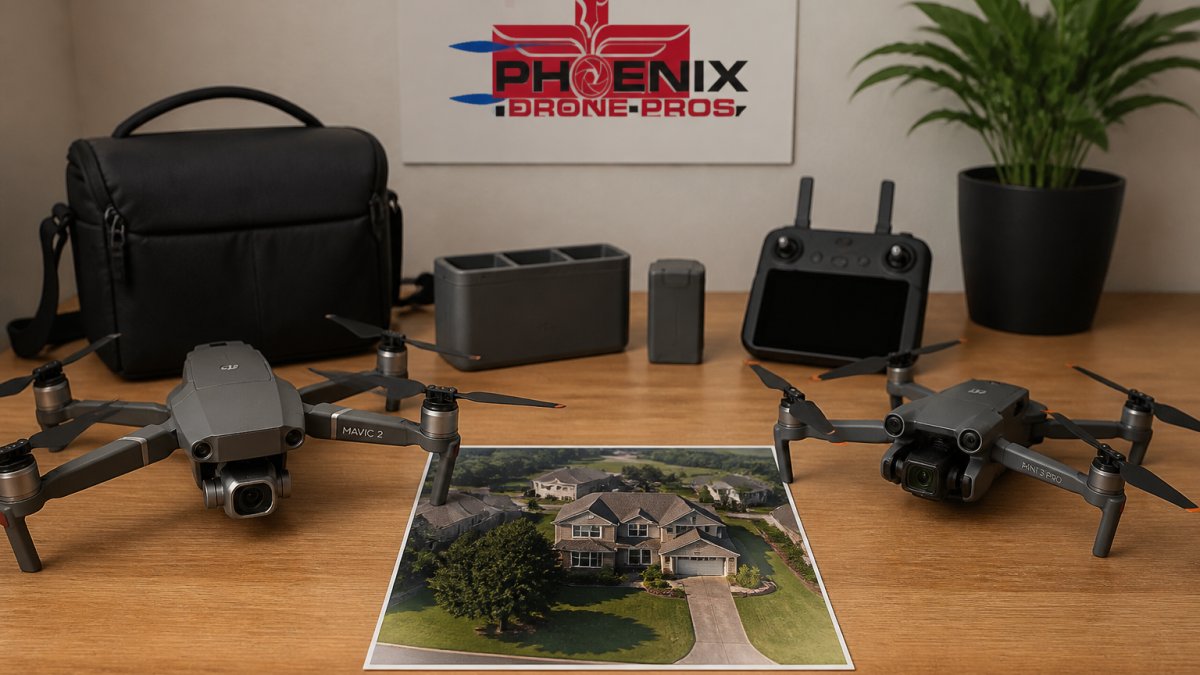
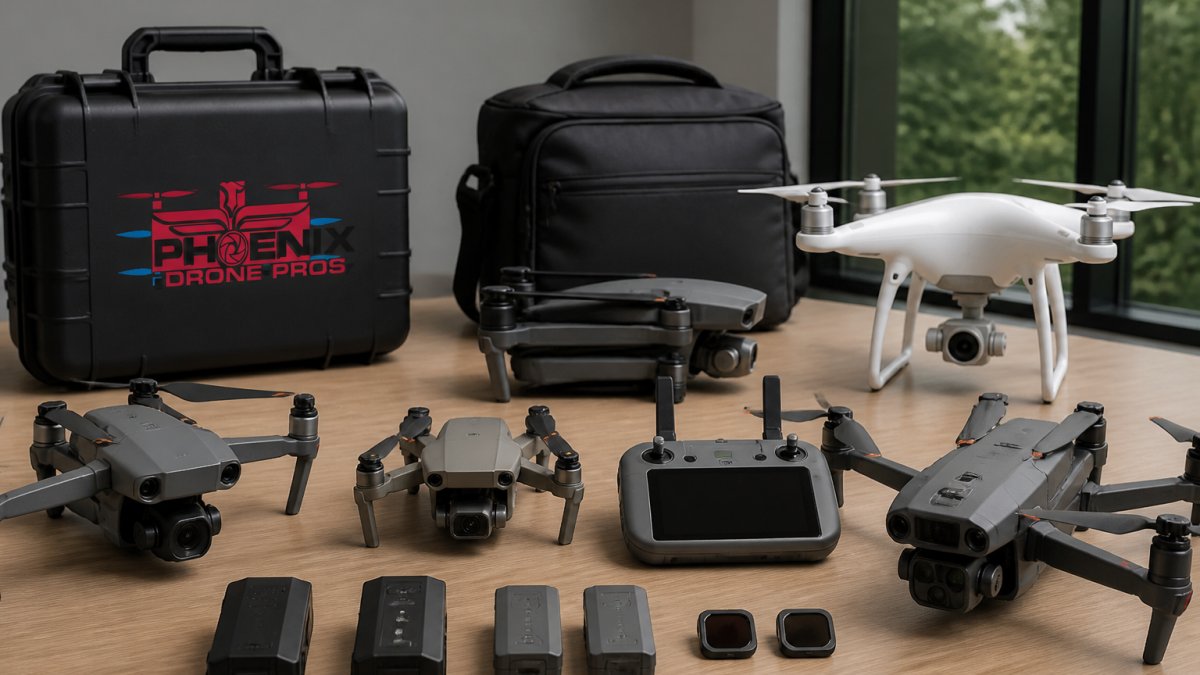
The best drone for real estate photography is one that balances camera quality, flight time, and portability for your typical listing type. No single model wins every category.
| Drone | Camera Focus | Portability | Best For |
|---|---|---|---|
| DJI Air 3S | Photo and video | High | General listing photography |
| DJI Mini 5 Pro | Compact stills | Very high | Agents who travel light |
| DJI Mavic 4 Pro | Professional photo/video | Medium | High-end media production |
| Autel EVO | Model-dependent | Medium | Buyers wanting a DJI alternative |
Specifications and pricing for each model change often, so confirm current details with the manufacturer before buying. What matters more is which category fits your workflow.
Real Estate Drone Camera Resolution: How Much Do You Need?
Real estate drone camera resolution matters less than most buyers think. A 20MP sensor is plenty for standard listing photos and most print use. Higher resolution helps when you crop heavily or produce large marketing prints. Consistent visual quality across your marketing materials ensures that high-resolution aerial photography integrates seamlessly with the professional standards required for effective real estate signage.
The real constraint is dynamic range, not megapixels. Property exteriors mix bright sky with shadowed interiors, and a sensor that handles that contrast produces usable images without heavy editing. A higher-resolution camera with poor dynamic range will disappoint you faster than a lower-resolution one with good range.
For most residential listings, a mid-tier camera drone is sufficient. Save the professional-grade models for commercial portfolios, architectural features, or clients who need large-format output.
Drone Flight Time for Real Estate Photography: Why 25 Minutes Is Rarely Enough
Drone flight time for real estate photography is the spec buyers overlook most. A rated 25 minutes rarely means 25 usable minutes.
Manufacturers rate flight time under ideal conditions: no wind, moderate temperature, slow forward flight. Real estate work involves hovering, repositioning, and shooting multiple angles, all of which drain battery faster. Cold mornings cut it further. In practice, a "25-minute" drone often gives you 18 to 20 minutes of actual shooting.
That gap matters on a large property. If you need exterior stills, interior-adjacent aerials, and a short video pass, one battery may not cover it. Two or three batteries turn a rushed shoot into a complete one, and they're the cheapest upgrade you can make.
Choosing a Drone for Real Estate Roof Inspection
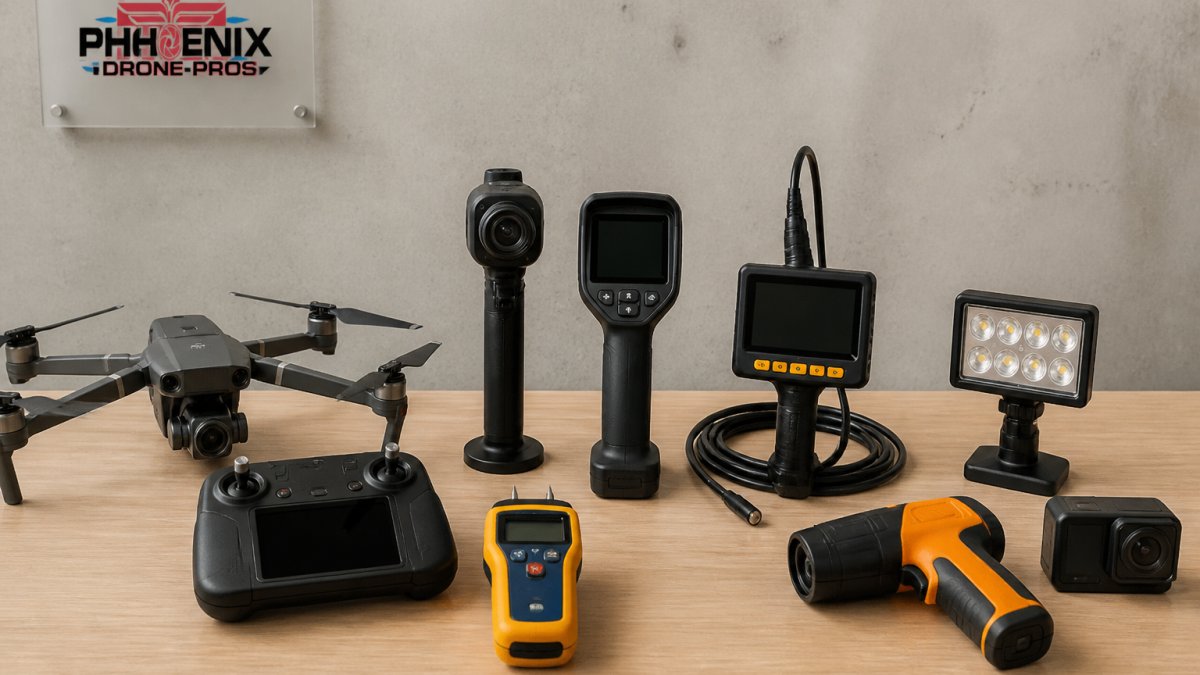
A drone for real estate roof inspection needs different priorities than a photography drone. Thermal imaging, stable hovering, and obstacle sensing matter more than megapixels.
Roof inspections require the aircraft to hold position close to slopes and edges while capturing consistent imagery. Thermal sensors add a second layer, revealing moisture intrusion and insulation gaps that standard cameras miss. For steep or fragile roofs, aerial inspection avoids sending anyone up a ladder at all.
This is where a service provider often beats owning hardware. Inspection-grade drones with thermal payloads cost significantly more than photography models, and interpreting the imagery takes training. If inspections are occasional, hiring a certified operator is usually the smarter call. Our team handles FAA Part 107 certification requirements compliance and thermal roof work as a standing service.
Where Each Drone Technology Wins: Use-Case Recommendations
Each drone category wins in a specific scenario. Match the aircraft to the job and you'll stop overpaying for capability you never use.
- Standard residential listings: A mid-tier camera drone like the DJI Air 3S covers 90% of jobs.
- Travel-heavy agents: The DJI Mini 5 Pro's portability wins when you shoot across multiple properties in a day.
- High-end and commercial media: The DJI Mavic 4 Pro is built for portfolio-grade photo and video.
- Brand flexibility: The Autel EVO line suits buyers who want an alternative to DJI, provided you confirm the specific model's specs.
- Roof and thermal inspections: Dedicated inspection drones outperform photography models, though hiring a certified operator is often more cost-effective.
Pricing for any of these depends on the model, accessories, and current market rates, so check with the manufacturer or a service provider for a current quote.
Real estate moves fast, and a listing that sits without strong visuals loses momentum. The challenge isn't finding a drone; it's getting professional results without buying hardware, learning to fly, and managing compliance yourself. Phoenix Drone Pros handles all of it. Our FAA-certified, fully insured pilots bring over a decade of commercial experience to every shoot, from stunning aerial footage and detailed property views to reliable construction progress documentation and expert aerial inspections. Get started with Phoenix Drone Pros and put professional aerial media to work on your next listing.
Frequently Asked Questions
What drone features matter most for real estate photography?
Camera resolution, flight time, obstacle avoidance, and portability top the list. A 20MP or higher sensor gives you enough detail to crop and still produce sharp listing images. Flight time of 30 minutes or more lets you cover multiple angles without swapping batteries. Obstacle avoidance matters when flying close to rooflines and trees. Portability affects how often you actually bring the drone to a shoot.
Which drone is best for real estate photography?
The DJI Air 3S is recommended for most photographers and videographers, and it appears in real-estate-focused buyer's guides. The DJI Mini 5 Pro suits agents who prioritize portability, while the DJI Mavic 4 Pro targets professional media work. Autel EVO models are an alternative brand worth comparing. Your choice depends on whether you need maximum image quality or a lightweight kit you can carry to every listing appointment.
How much should you spend on a real estate photography drone?
Drone pricing depends on the model, camera system, and accessories you need, so there is no single figure that fits every agent. Instead of anchoring on a number, compare what each model delivers: sensor size, flight time, obstacle sensors, and whether it supports the roof inspection or mapping work you plan to offer. For one-off shoots, hiring an FAA-certified service often costs less than buying hardware you rarely fly.
Can a drone be used for both real estate photography and roof inspections?
Yes, many camera drones handle both, but the requirements differ. Listing photography needs wide-angle, high-resolution stills and smooth video. Roof inspection benefits from thermal imaging, close-range stability, and the ability to hover precisely over steep or fragile roof sections. A drone with a thermal payload covers both jobs. If inspections are a core service, confirm the model supports the sensor you need before buying.