 how-to
How to Find Insured Drone Operators: A Vetting Guide
Table of Contents
- Why Hiring Insured Drone Operators Matters
- Understanding FAA Part 107 Certification Requirements
- Verifying Drone Liability Insurance and Certificate of Insurance
- Commercial Drone Pilot Vetting Checklist
- Finding Qualified Operators for Roof Inspections and Other Services
- Methods for Locating Insured Drone Operators
- Conclusion
Last Updated: August 26, 2026
Why Hiring Insured Drone Operators Matters
When you bring a drone operator onto your property or project, you're introducing a significant liability risk. A collision with a building, vehicle, or person can trigger lawsuits, property damage claims, and regulatory violations that expose you to financial and legal consequences. The difference between hiring an insured operator and an uninsured one isn't just about professionalism, it's about protecting yourself from catastrophic costs.
Insured drone operators carry liability coverage that covers third-party property damage and bodily injury claims. This means if something goes wrong during the flight, the operator's insurance responds to claims rather than your business absorbing the cost. Without proof of coverage, you're essentially assuming all risk yourself.
The challenge is that not every drone operator you find online has legitimate insurance. Some claim coverage they don't actually carry. Others have policies with exclusions or limits too low to matter. Learning how to find insured drone operators and verify their credentials is essential before hiring anyone for aerial work.
At Phoenix Drone Pros, we've worked with clients who initially didn't know what to look for when vetting operators. The most common mistake is assuming that a professional-looking website or portfolio means the operator is properly insured. It doesn't. This guide walks you through the exact steps to verify insurance, check certifications, and evaluate whether an operator is truly qualified for your project.
Understanding FAA Part 107 Certification Requirements
The Federal Aviation Administration requires commercial drone operators to hold a Part 107 certification, also called a Remote Pilot Certificate (faa.gov). This certification proves the operator has passed an FAA knowledge test and demonstrated competency in flight operations, safety protocols, and regulatory compliance.
A Part 107 certificate is non-negotiable for anyone flying drones commercially. Without it, the operator is breaking federal law and exposing you to liability if something goes wrong. The FAA can impose fines up to $27,500 on operators flying without certification, and you could face additional liability if you knowingly hired an uncertified pilot (faa.gov).
To verify Part 107 certification, ask the operator for their certificate number or request to see the physical certificate. The FAA doesn't maintain a public database of certified pilots, so you cannot independently verify this through a government website. This is why you must request proof directly from the operator and trust their documentation. A legitimate operator will have no problem sharing this information.
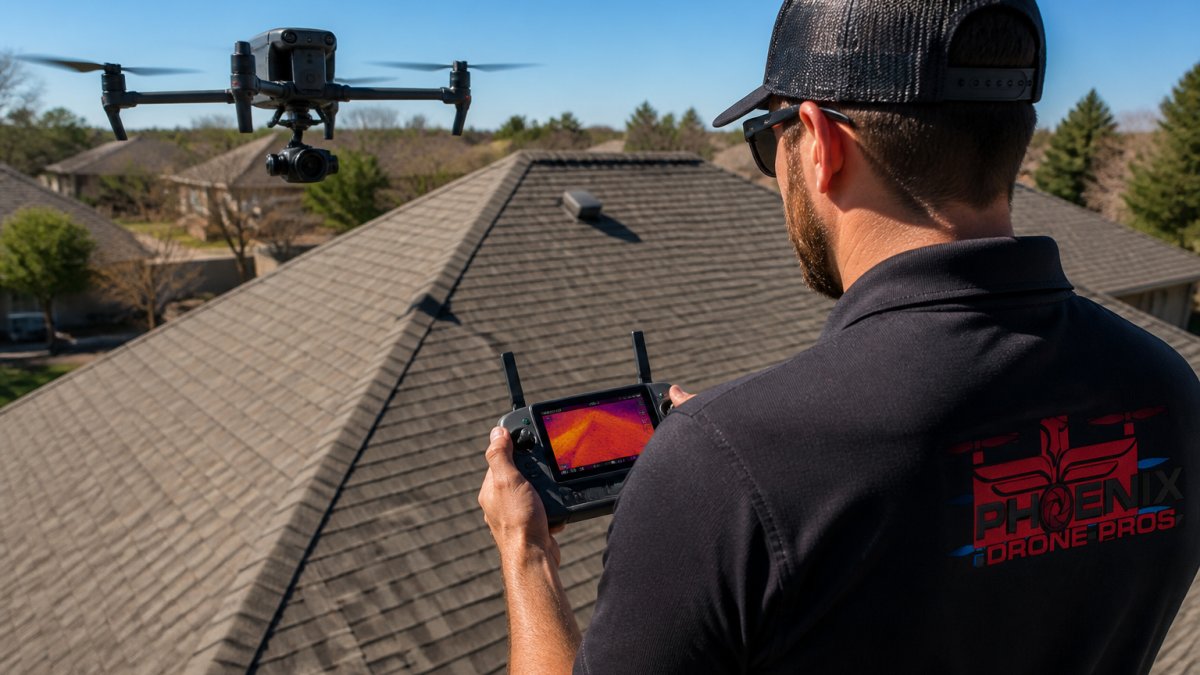
Beyond the Part 107 certification, some specialized work requires additional qualifications. Thermal imaging for roof inspections, for example, requires the operator to demonstrate competency with thermal equipment, though this doesn't always require a separate FAA credential. Construction site 3D mapping and progress documentation demand experience with specific software and surveying principles. When hiring for specialized services, ask about relevant experience and certifications in those areas. Many professional operators also pursue done flight training to stay current with evolving regulations and advanced techniques.
Verifying Drone Liability Insurance and Certificate of Insurance
This is where most hiring mistakes happen. You need to verify two things: that the operator actually carries liability insurance, and that the coverage is adequate for your project.
What Coverage Types to Look For
Commercial general liability is the baseline. This covers third-party property damage and bodily injury claims arising from the drone operation. Most operators carry limits of at least $1 million per occurrence, though some carry $2 million (peer-reviewed research). For high-value properties or large construction sites, higher limits are better.
Hull damage coverage protects the operator's equipment. This doesn't protect you directly, but it matters because operators without hull coverage may cut corners on maintenance or risk management to avoid expensive repairs. An operator with hull coverage is more likely to maintain equipment properly and follow safety protocols.
Waiver of subrogation is a clause that prevents the insurance company from suing you if a claim occurs. Without this, the operator's insurer could pursue you for damages even though you hired an insured operator. Always require this in the insurance policy.
Ask the operator which coverage types they carry and request specific policy limits. Don't accept vague answers like "we're fully insured." You need numbers.
How to Request and Review Proof of Coverage
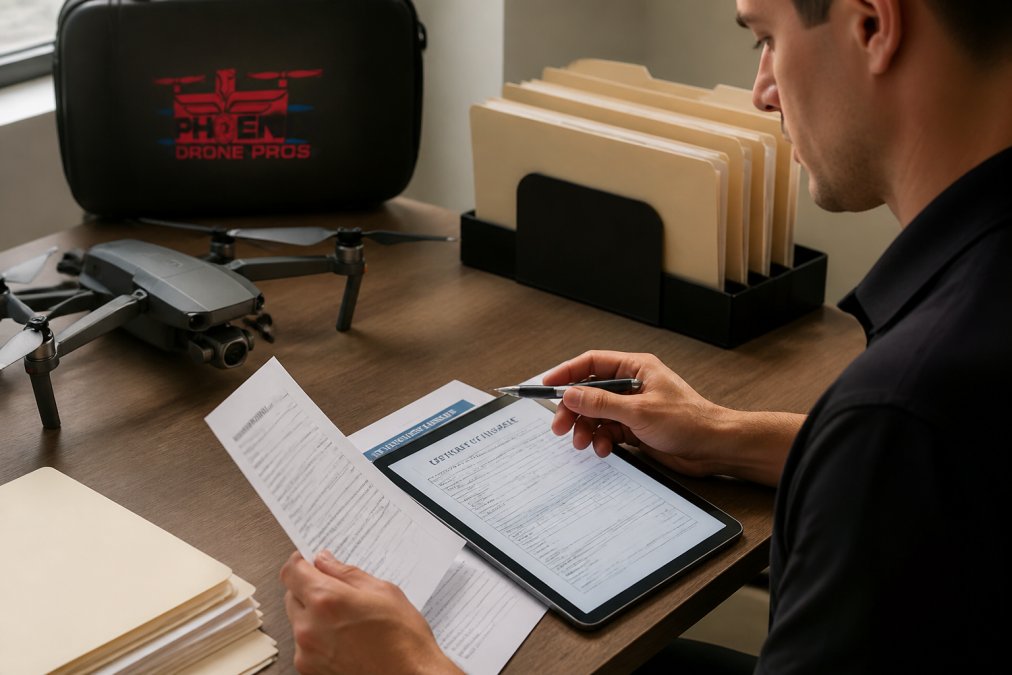
Request a Certificate of Insurance (COI) directly from the operator. This is a one-page document issued by their insurance agent that summarizes the policy. A legitimate operator will provide this in minutes.
When you receive the COI, check these details:
- Policyholder name matches the operator's legal business name
- Coverage type includes Commercial General Liability or Unmanned Aerial Vehicle (UAV) liability
- Policy limits show adequate coverage for your project (minimum $1 million recommended)
- Effective date shows the policy is currently active, not expired
- Certificate holder line shows your company name, which means you're named as an additional insured
- Waiver of subrogation appears in the policy details
The certificate holder field is critical. When your company is listed as certificate holder, you receive notice if the policy is cancelled, and the insurer cannot pursue you for claims. If the operator refuses to add you as certificate holder, that's a red flag.
Request the COI at least one week before the scheduled work. If the operator delays or provides a document with future effective dates, the coverage doesn't exist yet. Walk away.
Commercial Drone Pilot Vetting Checklist
Before hiring any operator, run through this checklist to confirm they meet baseline professional standards.
Certification and Insurance:
- Operator holds current FAA Part 107 Remote Pilot Certificate
- Certificate number is provided and matches operator's identification
- Current Certificate of Insurance on file with your company as certificate holder
- Policy includes waiver of subrogation clause
- Coverage limits meet or exceed $1 million per occurrence
- Policy effective date is before the scheduled work date
Business and Regulatory Compliance:
- Operator maintains a legitimate business entity (LLC, corporation, or sole proprietorship)
- Business address is verifiable (not a PO box)
- Operator holds required state business licenses
- Operator maintains current liability insurance (not expired or lapsed)
- Operator has no FAA enforcement actions or violations on record
Experience and Portfolio:
- Operator has completed similar projects (roof inspections, construction documentation, aerial photography)
- Portfolio includes samples of work quality
- References from previous clients are available and verifiable
- Operator can describe their process for the specific service you need
Safety and Operations:
- Operator has written safety protocols and pre-flight checklists
- Operator maintains equipment maintenance logs
- Operator can explain how they handle adverse weather or emergency situations
- Operator carries backup equipment in case primary drone fails hiring licensed contractors.
Communication and Professionalism:
- Operator responds to inquiries within 24 hours
- Operator provides written quotes and project timelines
- Operator is willing to sign a contract outlining scope, deliverables, and liability terms
- Operator respects property access requirements and scheduling constraints
Finding Qualified Operators for Roof Inspections and Other Services
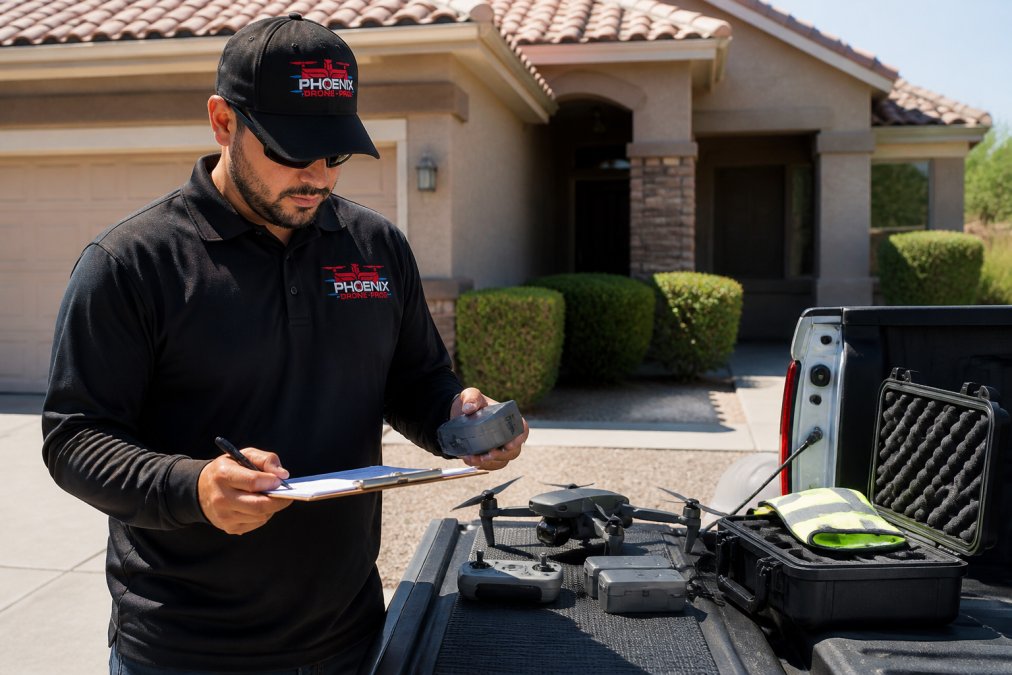
Different drone services require different expertise. A pilot skilled in aerial photography for real estate may not be qualified to conduct thermal roof inspections. Understanding what to look for based on your specific need is essential.
Evaluating Operator Portfolios and References
A portfolio tells you whether the operator has done this work before. Request samples of previous projects similar to yours. For roof inspections, ask for thermal images and inspection reports. For construction documentation, ask for 3D mapping outputs or progress video compilations. For real estate photography, ask for full project galleries showing property angles and video quality.
Don't just look at the images. Ask about the equipment used, the number of flights required, and how long the project took. An operator who can explain their workflow demonstrates experience. Specialized services like search and rescue with thermal drone capabilities or Video Offering Memorandum production for commercial real estate require operators with specific technical expertise and equipment.
References are your strongest verification tool. Ask the operator for contact information from three to five previous clients. Call or email these references and ask specific questions: Did the operator show up on time? Was the work quality professional? Did the operator handle unexpected issues well? How quickly did they deliver final files? Would you hire them again?
A legitimate operator will have multiple references willing to vouch for their work. If they struggle to provide references or the references give lukewarm feedback, that's a warning sign.
Questions to Ask Before Hiring
Ask these questions during your initial consultation to assess the operator's competency and professionalism:
-
What equipment do you use, and how often do you upgrade it? Operators using current-generation drones with modern sensors are more likely to deliver quality results. Outdated equipment suggests the operator isn't investing in their business.
-
How do you handle weather conditions? Legitimate operators have minimum wind speed limits, visibility requirements, and protocols for cancelling flights if conditions aren't safe. Operators who say "we fly in any weather" are cutting corners on safety.
-
What's your turnaround time for deliverables? Professional operators can commit to specific timelines. If they're vague about when you'll receive files, expect delays.
-
Do you have experience with this specific type of project? Roof inspections, construction 3D mapping, and real estate photography each require specialized knowledge. An operator experienced in one may not be qualified for another.
-
How do you ensure data security and privacy? If you're sharing sensitive property information or construction site details, the operator should have protocols for secure file storage and transmission.
-
What happens if equipment fails during the flight? Operators with backup drones and contingency plans can reschedule without major delays. Operators without backups may leave you without deliverables if their equipment breaks.
-
Are you willing to sign a contract outlining scope, timeline, and liability terms? Professional operators expect contracts. If an operator refuses, they're not operating at a professional level.
Methods for Locating Insured Drone Operators
Finding qualified operators requires checking multiple sources and cross-referencing their credentials.
Direct search for local operators. Search "drone operators near [your city]" or "[your service type] drone services." Review their websites for portfolio samples, certifications, and insurance information. Call or email to request a Certificate of Insurance before scheduling a consultation.
Industry directories and marketplaces. Platforms like Upwork, Thumbtack, and ServiceTitan list drone operators by location and service type. These platforms often verify business licenses and insurance, though you should still request a COI directly. Read client reviews carefully, but remember that reviews are subjective, focus on whether clients mention professionalism, timeliness, and quality.
Professional associations. Organizations like the Professional Aerial Photographers Association (PAPA) and the Drone Manufacturers Association maintain directories of certified members. Members typically meet higher standards for insurance and safety compliance.
Referrals from contractors and vendors. If you work regularly with construction companies, real estate brokers, or property managers, ask them for operator recommendations. These referrals come with implicit vetting, your contact wouldn't recommend an operator they don't trust.
Local Chamber of Commerce and business networks. Many drone operators are members of local business associations. These organizations often require members to maintain insurance and licenses.
Insurance brokers. If you work with a commercial insurance broker, ask them for drone operator referrals. Insurance professionals know which operators maintain legitimate coverage and which ones don't.
When evaluating operators from any source, always verify insurance independently by requesting a COI. Don't rely on a platform's claim that an operator is "verified" or "insured." Verification means you've seen the actual policy document.
Conclusion
Finding insured drone operators requires diligence, but the process protects you from significant financial and legal risk. Verify FAA Part 107 certification, request a Certificate of Insurance with your company as certificate holder, evaluate portfolios and references, and ask detailed questions about safety protocols and experience.
Phoenix Drone Pros brings FAA certification, comprehensive liability insurance with waiver of subrogation, and over a decade of commercial drone experience to every project. Whether you need thermal roof inspections, construction progress documentation, or aerial photography for high-end property listings, working with a fully insured operator eliminates the guesswork. Contact Phoenix Drone Pros to discuss your project and verify our certifications and coverage.
Frequently Asked Questions
Why is it important to hire an insured drone operator?
An insured drone operator protects you from financial liability if the aircraft causes property damage or bodily injury during flight operations. Without proof of coverage, you could be personally responsible for accident costs, legal fees, and third-party claims. Liability coverage and hull damage protection are essential safeguards for any commercial drone project. Always verify the pilot holds active aviation insurance before work begins.
What documents should I request from a drone pilot before hiring?
Request a current certificate of insurance showing liability coverage limits, an FAA Part 107 license copy, proof of pilot certification, a portfolio of completed projects, references from past clients, and details about their risk mitigation practices. Ask for the insurance broker's contact information so you can independently verify coverage. Request a signed agreement outlining project scope, delivery timelines, and liability terms. These documents establish the pilot's qualifications and protect both parties.
Does an FAA Part 107 license include liability insurance?
No. An FAA Part 107 certification proves the pilot is trained and authorized to operate commercially but does not include insurance. Certification and insurance are separate requirements. A pilot can be fully licensed but uninsured, which exposes you to risk. You must independently verify that the operator carries active aviation insurance with adequate policy limits for your project type and and location.
How can I verify a drone operator's insurance policy?
Request a certificate of insurance directly from the pilot and contact the insurance broker or underwriting company listed on the document to confirm the policy is current and active. Verify that coverage includes commercial drone operations, not just general liability. Check that policy limits match your project requirements and that the pilot is named as the insured party. Do not rely solely on the pilot's word, independent verification protects you from coverage gaps or expired policies.
This article was written using GrandRanker