 comparison
iskyfilms vs Local Drone Experts: What to Choose
Table of Contents
- iskyfilms vs Local Drone Experts: Quick Comparison
- How to Verify Drone Pilot Insurance and FAA Credentials
- What Does It Cost to Hire a Drone Videographer?
- The Benefits of Hiring Local Drone Services
- Comparing Turnaround Time and Workflow Integration
- Which Option Fits Your Project Best?
- Conclusion
- Frequently Asked Questions
Last Updated: September 8, 2026
iskyfilms vs Local Drone Experts: Quick Comparison
Choosing between a national production company like iskyfilms and local drone experts is a decision that hinges on risk, responsiveness, and technical fit. A national brand offers polished marketing, but the pilot actually flying your project is often a subcontractor you will never meet. Local drone experts offer direct accountability, faster response times, and a team whose reputation is tied to your community. At Phoenix Drone Pros, we have spent over a decade working with real estate agents, construction managers, and homeowners, and we have seen how this dynamic plays out in practice.
The core difference comes down to vetting. When you hire local experts, you can verify their FAA Part 107 certification, inspect their insurance certificate, and review a portfolio of work completed in your immediate area. This direct line of sight reduces the risk of unauthorized drone operations and miscommunication. Below, we break down the specific factors that should drive your choice, from credential verification to total cost of ownership.
How to Verify Drone Pilot Insurance and FAA Credentials
The FAA requires all commercial drone pilots to hold a Part 107 remote pilot certificate, and verifying this is your first non-negotiable step (faa.gov). Ask the operator for their certificate number and cross-check it against the FAA's public database. A legitimate pilot will not hesitate to provide it.
Insurance is equally critical. Commercial drone insurance coverage protects you if the aircraft damages property or injures someone during the flight. Request a certificate of insurance that names you as an additional insured, and confirm the policy covers the specific date of your shoot. According to FAA guidelines on commercial drone operations, operating without proper authorization can result in significant penalties.
What Does It Cost to Hire a Drone Videographer?
Pricing for aerial work varies depending on the project's complexity, duration, and the specific equipment required. These figures represent the current market range for a single project, but they miss the question that matters most for property managers, construction firms, and marketing directors who shoot repeatedly: what does each model cost you over a 12-month engagement?
The Single-Project Price Trap
When you compare a one-time quote from a national platform against a local expert, the national rate often appears competitive because it is subsidized by volume. The hidden cost appears on the second, third, and fourth projects. National coordinators typically charge a project management fee (often 15-20% on top of the pilot's rate), require a minimum of two weeks' lead time, and bill separately for data processing that local experts bundle into the flight price (dronepilotgroundschool.com). A construction firm documenting a 10-month build with monthly progress flights will see those fees compound quickly.
Total Cost of Ownership: A 12-Month Scenario
Consider a commercial property manager needing quarterly aerial inspections of three buildings, plus one emergency roof assessment. The local expert's model is straightforward: a per-flight rate that includes travel within a 50-mile radius, on-site safety briefing, raw data delivery, and a follow-up call to review findings. The national model adds layers: a scheduling coordinator, a dispatch fee, a different pilot on each visit (each requiring a new background check and site orientation), and a centralized data portal you must learn to navigate.
Over four flights, the local expert's total cost remains predictable. The national provider's total cost grows with each new coordinator touchpoint, and the inconsistency of a rotating pilot roster means you spend time re-explaining site access protocols and shot preferences on every visit. The real cost driver is not the hourly rate, it is the administrative overhead you absorb when the person flying your site has no institutional memory of your project.
What Your Quote Should Itemize
A transparent quote from a local expert should list four line items: flight time, equipment (including sensor type), post-production or data processing, and travel. If a provider cannot separate these, you cannot compare bids fairly. National platforms often obscure these details behind a single 'service fee,' which makes apples-to-apples comparison impossible.
For recurring work, request a rate card that locks pricing for 12 months. Local experts can typically honor this because their overhead is stable. National firms may resist because their subcontractor rates fluctuate with demand. The provider who can guarantee a fixed rate for your quarterly inspections is the one who has actually budgeted for your project, and that is the provider worth hiring.
The Benefits of Hiring Local Drone Services
The benefits of hiring local drone services extend beyond cost savings into the quality of the final product and the reliability of the process. A local pilot knows the airspace, understands local permitting requirements, and can visit the site in person to plan the flight path before the day of the shoot.
This familiarity translates into tangible advantages. Local experts can respond to a last-minute request for a listing that just hit the market. They can also provide a more personalized experience, working directly with your team to capture the specific angles that matter for your property or project. Our local pilots in Phoenix and San Antonio are FAA-certified and fully insured, with 10+ years of commercial experience, ensuring that your project is handled by a professional who is invested in the local community.
Local providers also excel at specialized services. For example, a team with expertise in aerial inspections can identify structural issues that a generalist might miss, using thermal drone technology to detect moisture intrusion or failing insulation. This level of detail is difficult to guarantee when you are working with a remote national coordinator. Beyond inspections, local teams often offer complementary capabilities such as drone solar panel cleaning for commercial property managers, extending the value of a trusted aerial partner.
Comparing Turnaround Time and Workflow Integration
Turnaround time is where local drone experts consistently outperform national companies. A local provider can often deliver edited footage within 24 to 48 hours, while a national firm may take a week or more as footage is routed through a central production hub. But turnaround is only half the equation. The deeper question is whether the provider's equipment and delivery workflow can integrate with the tools your team already uses.
Sensor Compatibility: The Hidden Differentiator
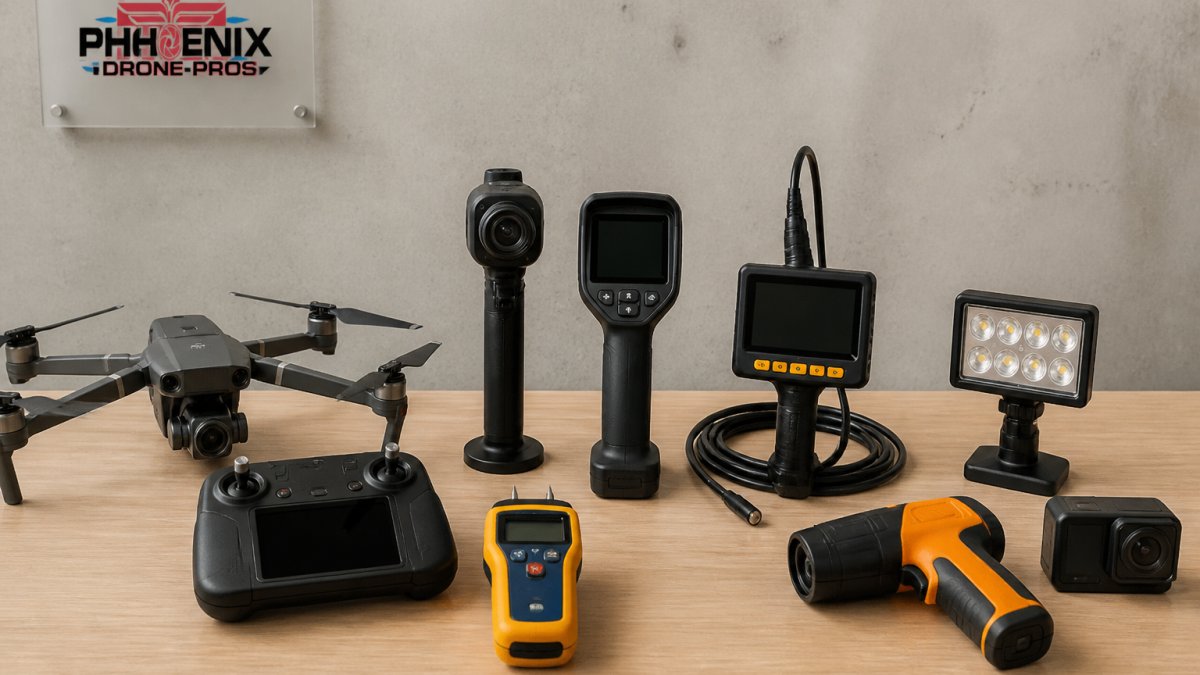
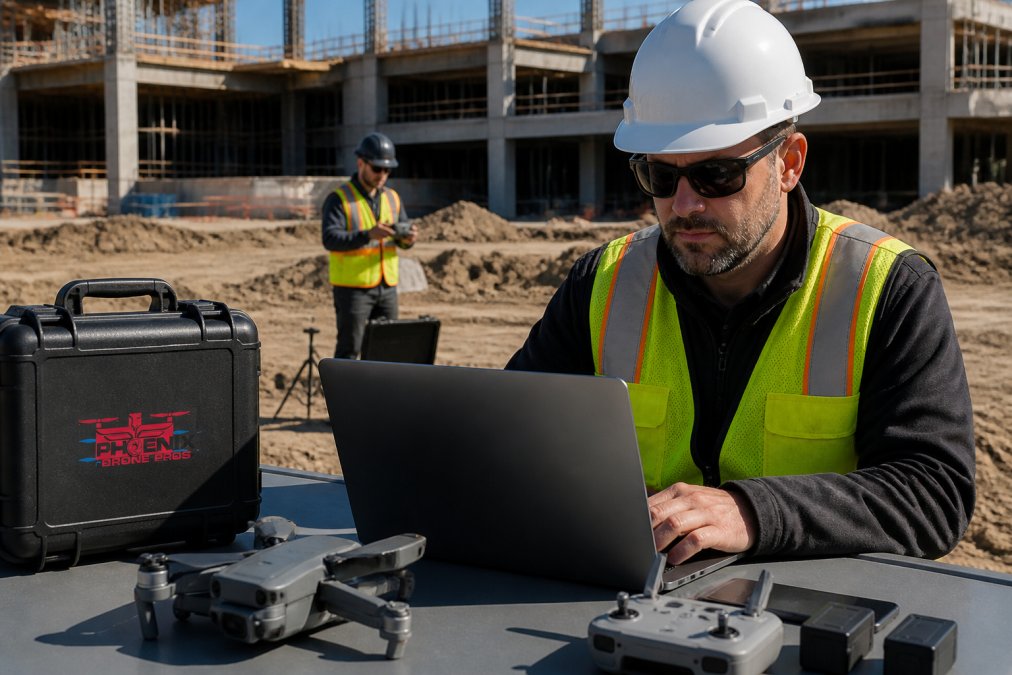
Most comparison articles stop at camera resolution, but professional buyers need specific sensor payloads. Thermal imaging for roof moisture detection requires a radiometric sensor like the FLIR XT2 or Zenmuse XT, not a standard RGB camera. LiDAR mapping for stockpile volume calculations or tree canopy analysis demands a sensor with specific point-density ratings. Cinema-grade work for commercial advertising requires a camera capable of shooting in LOG or RAW formats for color grading flexibility.
Local experts who invest in these payloads typically own them outright and can deploy them on short notice. National platforms often subcontract to pilots who carry only a standard camera, meaning a specialized request triggers a search for a different pilot, a new vetting cycle, and a delay of several weeks. When you ask a national coordinator whether their pilot has a radiometric thermal sensor, the answer is often 'we will check', which is not an answer at all.
Workflow Integration: Direct Delivery vs. Centralized Handoff
Local experts can integrate directly with your existing tools. A real estate team using a specific MLS platform can receive files formatted for that system's upload requirements. A construction firm using Procore or PlanGrid for daily logs can receive georeferenced orthomosaic files that overlay directly onto their project drawings. A marketing department working in Adobe Premiere or DaVinci Resolve can request specific codecs and color spaces without a middleman translating the request.
The national model introduces a handoff problem. Footage goes from the pilot to a regional coordinator, then to a central production hub, then back to you. Each handoff is an opportunity for miscommunication, a color space request gets lost, a file format is converted incorrectly, or the coordinator approves footage the pilot captured without the specific sensor settings your project required. The local expert eliminates these handoffs because the person flying the mission is the person delivering the files.
The Technical Vetting Checklist
Before hiring any provider, ask for a payload specification sheet. It should list the exact sensor model, resolution, frame rate, and file format for every drone in their fleet. If a provider cannot produce this document, they are not operating at a professional standard. This checklist matters more than portfolio aesthetics because it tells you whether the provider can actually execute your specific technical requirements.
| Factor | National Company (iskyfilms) | Local Drone Experts |
|---|---|---|
| Pilot Vetting | Subcontractor, unknown | Direct, verifiable |
| Turnaround Time | Often 1+ week | Typically 24-48 hours |
| Airspace Knowledge | General | Specific to your area |
| Sensor Payloads | Often limited to standard RGB | Thermal, LiDAR, cinema-grade available |
| File Delivery | Centralized hub, multiple handoffs | Direct from pilot, format-matched to your tools |
| Workflow Integration | Standard handoff | Customized to your software stack |
| Accountability | Corporate entity | Local reputation at stake |
The provider who can name the exact sensor on their aircraft and deliver files in the format your software expects is the provider who has done this before. That specificity is the difference between a vendor and a partner.
Which Option Fits Your Project Best?
For projects with tight deadlines, complex site conditions, or a need for ongoing collaboration, local drone experts are the superior choice. The direct communication, faster turnaround, and verifiable credentials reduce risk and improve the final deliverable.
A national company may make sense for a large-scale campaign requiring consistent branding across multiple states, where a single vendor manages dozens of locations. However, for a single high-end listing, a construction site requiring weekly progress documentation, or a delicate roof inspection, the local provider's expertise is invaluable.
Consider your priorities. If you value a partner who will answer the phone, visit the site, and deliver footage that makes your property stand out, the choice is clear. Look for a team with documented experience, proper credentials, and a portfolio that demonstrates their ability to handle your specific type of project.
Conclusion
Selecting the right aerial partner is about managing risk and ensuring quality. While national brands offer convenience, local drone experts provide the accountability, speed, and technical precision that professional projects demand. We recommend starting with a thorough vetting of credentials and a clear discussion of your timeline and deliverables.
Phoenix Drone Pros brings over a decade of commercial experience to every project, with FAA-certified and fully insured pilots serving Phoenix and San Antonio. Whether you need reliable construction progress documentation, detailed thermal roof inspections, or stunning aerial footage for a high-end listing, our team is equipped to deliver professional results. For commercial property stakeholders, we also offer Video Offering Memorandum production to help showcase assets to potential investors. Get started with Phoenix Drone Pros and schedule a consultation to discuss your project's specific goals.
Frequently Asked Questions
How much does it cost to hire a drone videographer?
Pricing depends on project scope, flight time, equipment, and editing requirements. Local drone experts often provide project-based pricing, which can be more transparent for a single shoot. National networks may offer package deals but can add coordination fees. For an accurate estimate, request a detailed quote that outlines flight hours, deliverables, and usage rights.
What are the benefits of hiring a local drone pilot over a national service?
Local drone experts know the airspace and any site-specific flight restrictions in your area. They can visit the location beforehand to plan the flight path and coordinate with property managers. This familiarity often leads to smoother shoots and faster turnaround times. Local pilots are also more accessible for follow-up questions or rescheduling needs.
How do I verify drone pilot insurance and FAA credentials?
Ask for a Certificate of Insurance naming you as an additional insured. Confirm the policy covers liability for commercial drone operations. Verify their FAA Part 107 remote pilot certificate, which is required for legal commercial flight. A professional operator will provide these documents without hesitation.
What should I look for in a professional drone videography contract?
Review the contract for clear deliverables, including the number of edited photos or video clips and their resolution. Confirm the timeline for delivery and the process for revisions. Ensure the contract states that the pilot holds current FAA Part 107 certification and liability insurance. Also, clarify who owns the rights to the final footage.