 how-to
Maximizing ROI With Digital Property Inspections
Table of Contents
- Why Digital Property Inspections Pay for Themselves
- Build a Property Inspection Checklist That Drives Results
- Drone Roof Inspection: The Highest-ROI Line Item
- Using a Property Inspection ROI Calculator to Justify the Spend
- Preventive Maintenance for Rental Properties: Turning Inspections Into Savings
- What to Ignore When Evaluating Digital Inspection Vendors
- Conclusion
- Frequently Asked Questions
Last Updated: October 17, 2026
Why Digital Property Inspections Pay for Themselves
Digital property inspections turn a roof, a facade, or a full construction site into a set of images and measurements you can review, share, and file without sending anyone up a ladder. At Phoenix Drone Pros, we have flown these missions for over a decade, and the payoff is often fewer surprises, faster decisions, and less money spent on problems nobody saw coming.
The math is simple. A missed roof defect becomes a leak. A leak becomes interior damage, mold, and a tenant complaint. Catching that defect early with an aerial inspection costs a fraction of the repair.
Most owners treat inspections as a cost. The better way to see them is as a cheap insurance policy you renew every few months.
Build a Property Inspection Checklist That Drives Results
A property inspection checklist is a fixed list of what gets photographed, measured, and documented on every visit, so results are comparable over time. Without one, you get random pictures. With one, you get a record you can actually act on.
Start with these core items:
- Roof surface: shingles, tiles, membrane seams, ponding water
- Flashing and penetrations: vents, chimneys, skylights, HVAC curbs
- Gutters and drainage: blockages, sagging, detachment
- Exterior walls: cracks, staining, failed sealant
- Site conditions: grading, drainage paths, debris, access issues
- Solar arrays: panel condition, mounting, debris buildup
Keep the same checklist across every property in a portfolio. That consistency is what makes year-over-year comparison possible.
Exterior and Roof Systems
Roofs fail in predictable places: seams, penetrations, and low spots where water sits. A checklist should force a close look at each one, from multiple angles, at a consistent height and distance.
Photograph the same roof sections on every visit. When you can put two images side by side and see a crack that grew, you have proof. Proof ends arguments with contractors, insurers, and tenants.
Documentation Standards That Hold Up
Every image needs three things: a date, a location on the property, and a note on what it shows. Store files with consistent naming so anyone can find them months later.
Good documentation answers a question before it is asked: when did that damage first appear? That single answer protects you in insurance claims and lease disputes.
Skipping metadata is a common mistake. Photos with no date or location tag are nearly useless in a claim, because no one can prove when the damage started.
Drone Roof Inspection: The Highest-ROI Line Item
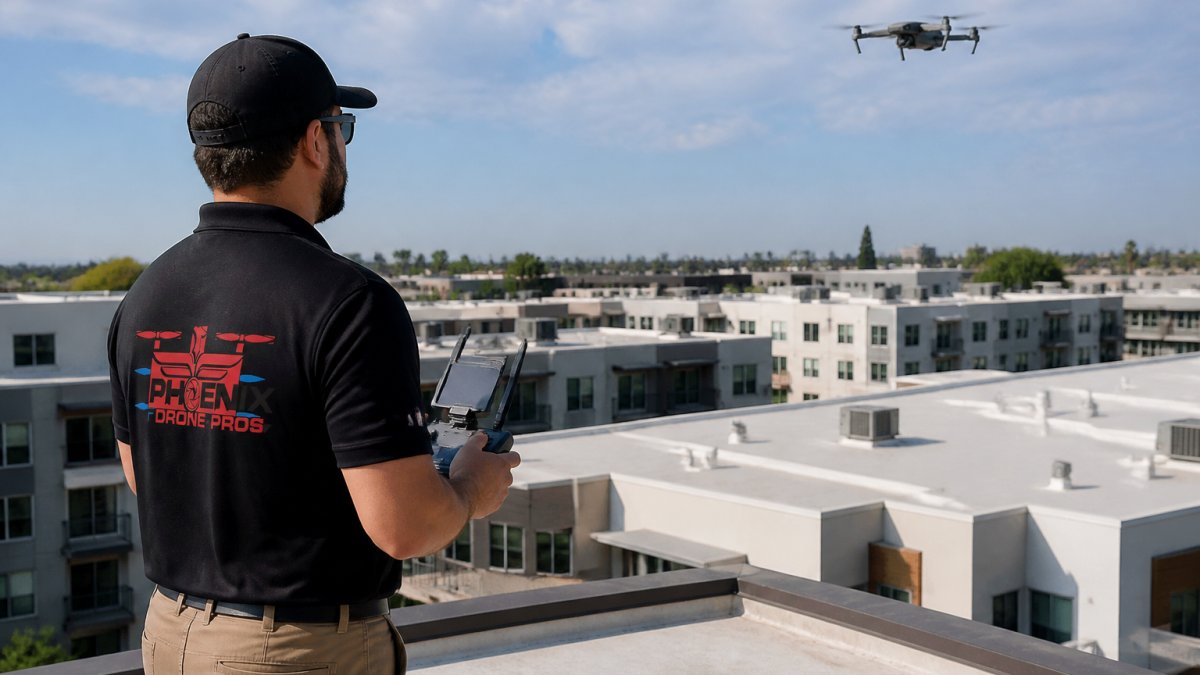
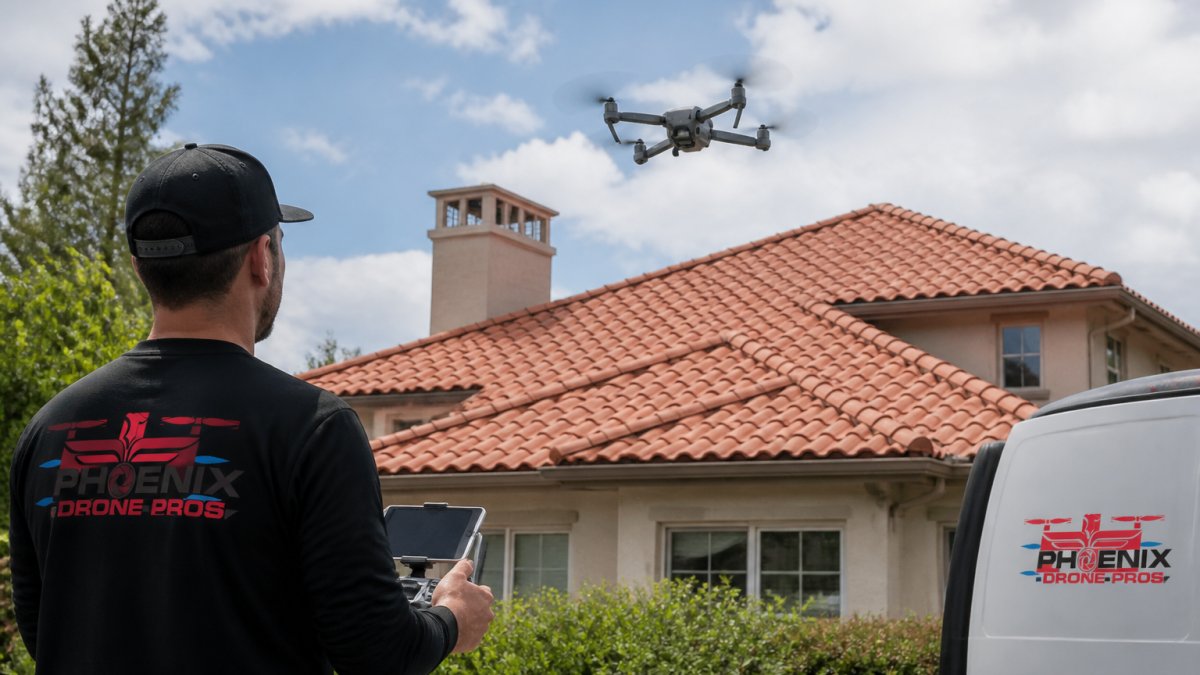
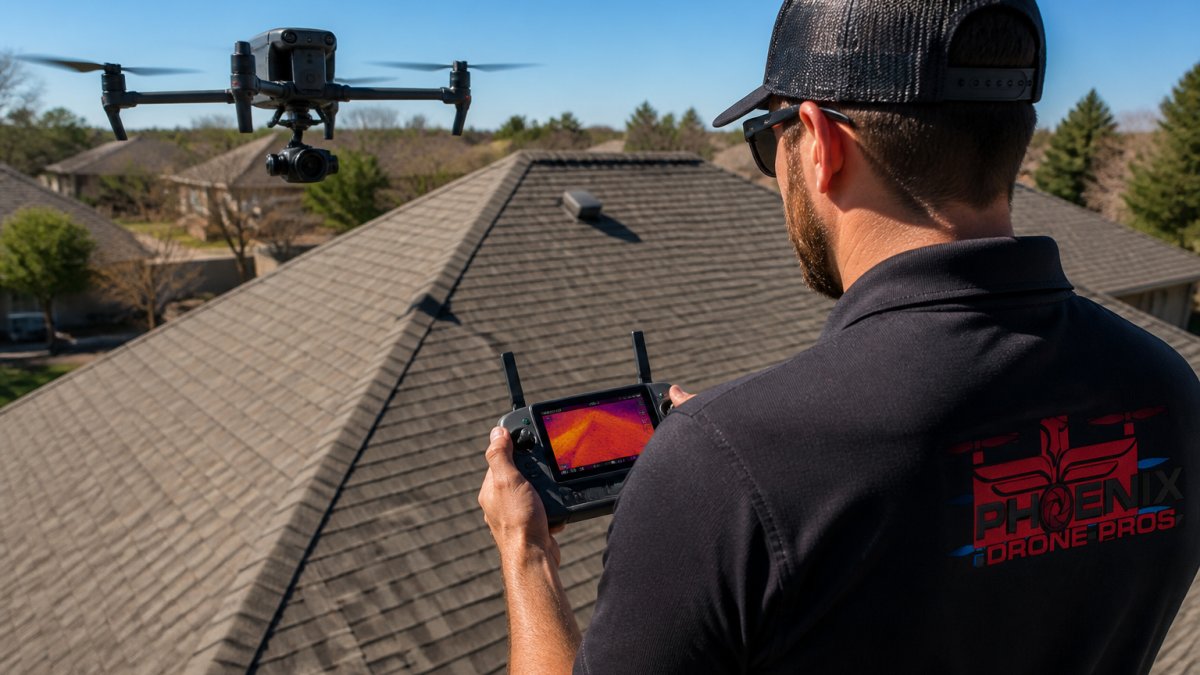
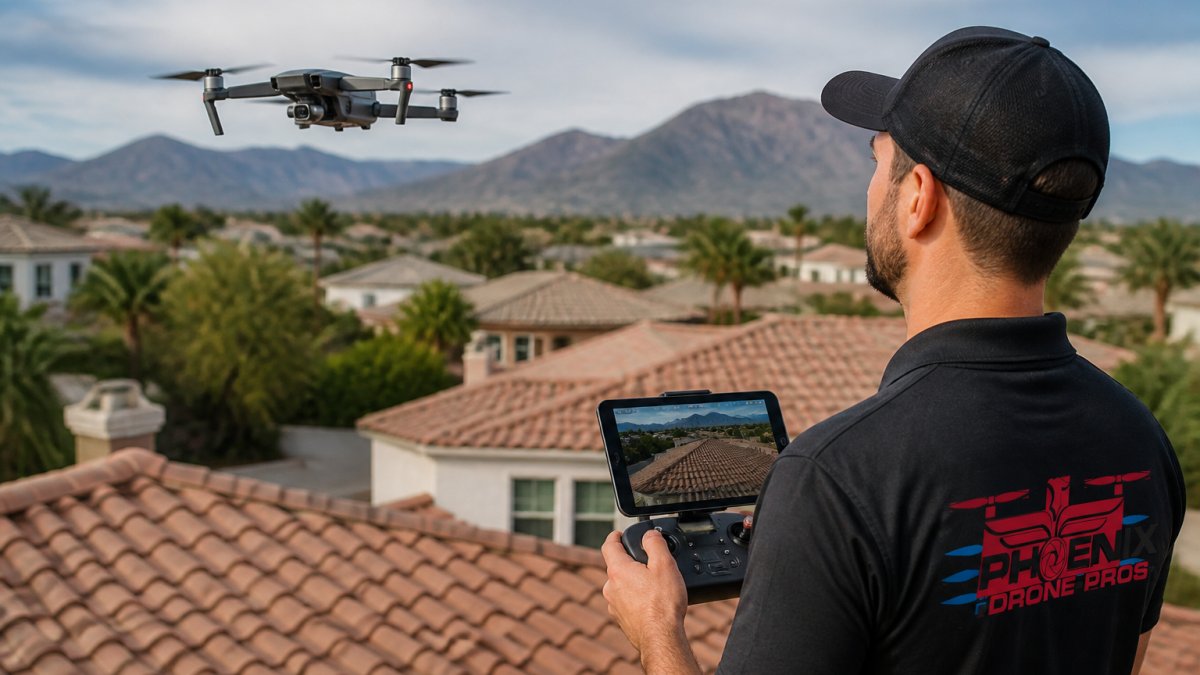
A drone roof inspection uses a remote pilot and camera-equipped aircraft to capture high-resolution images of a roof without anyone climbing it. For steep, fragile, or tall roofs, it is the safest and fastest way to see what is actually up there.
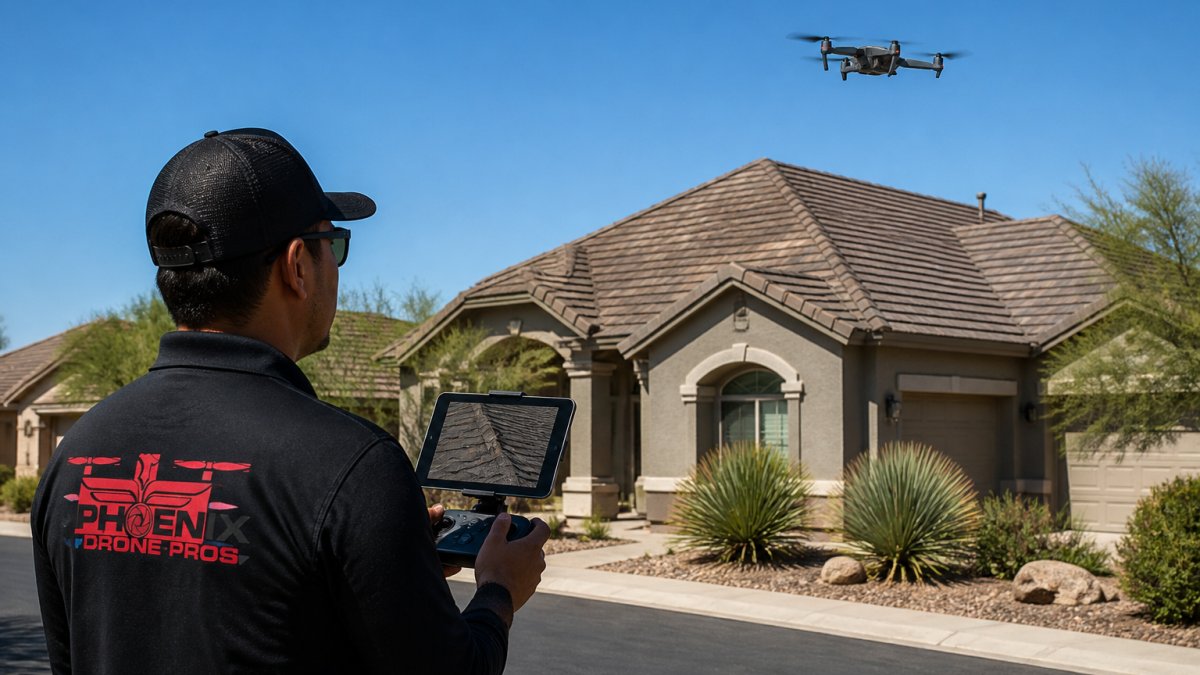
Why does this line item pay off more than the rest? Three reasons:
- No ladder time. Falls are the leading cause of serious injury in roofing work, so removing the climb removes the biggest risk on the job.
- Full coverage. A pilot can capture every plane of the roof, not just the easy edges.
- Speed. A single-family roof takes minutes to document, not hours.
For commercial properties with multiple roof types and HVAC equipment, aerial capture also shows the relationship between systems: where water runs, where equipment sits, and where maintenance access is blocked.
Our team is FAA certified and fully insured, which matters when you are putting an aircraft over someone else's building. If you want to see how this fits a larger property strategy, our commercial real estate offering memorandum work shows the same footage put to use for marketing.
Using a Property Inspection ROI Calculator to Justify the Spend
A property inspection ROI calculator is a simple tool that compares the cost of an inspection against the cost of the problems it is likely to catch. You do not need software. A spreadsheet with four inputs works fine.
Build yours with these fields:
| Input | What to Enter | Why It Matters |
|---|---|---|
| Inspection cost | Your quoted price per visit | The money you spend |
| Visit frequency | Times per year | Total annual spend |
| Average repair cost | Typical cost of one missed defect | The cost you avoid |
| Likelihood of a catch | Rough odds per year | Weights the benefit |
Multiply the repair cost by the likelihood, subtract the annual inspection spend, and you have a rough annual return. The point is not precision. The point is showing a property owner or finance team that the inspection line item is smaller than the repair line item.
Pricing for aerial inspection depends on property size, roof complexity, and how fast you need deliverables, so ask for a quote rather than guessing at a number.
Preventive Maintenance for Rental Properties: Turning Inspections Into Savings
Preventive maintenance for rental properties means fixing small issues on a schedule before they become tenant complaints or emergency calls. Inspections are the input that makes that schedule possible.
Here is how to turn inspection output into a maintenance plan:
- Sort findings by urgency. Safety issues first, water intrusion second, cosmetic last.
- Batch the work. Group repairs by trade and location to cut trip charges.
- Set a recheck date. Photograph the fix to close the loop.
- Track recurrence. If the same defect returns, the repair method is wrong.
The savings show up in three places: fewer emergency callouts, longer roof and equipment life, and better tenant retention. A tenant who never has to report a leak is a tenant who renews.
We also see property managers use aerial imagery to plan other exterior work, including drone solar panel cleaning on rooftops where sending a crew up is slow and risky.
What to Ignore When Evaluating Digital Inspection Vendors
Vendor pitches all sound the same. Here is what actually matters, and what you can safely ignore.
Ignore: flashy sample footage from a different property type. A great golf course video tells you nothing about roof documentation.
Ignore: promises of "AI analysis" with no sample report. Ask to see a real deliverable, not a demo.
Ignore: the lowest quote if it comes with no insurance certificate. An uninsured operator over your building is a liability you are accepting.
Pay attention to:
- Certification and insurance documents, provided upfront
- Turnaround time in writing, not "usually fast"
- Whether the pilot is local and can return for a recheck
- Sample reports from properties like yours
A common mistake is choosing a vendor on price alone and then discovering the images are too low-resolution to show a cracked seal. Ask what resolution and angles you will receive.
Conclusion
The hardest part of property inspection is not the flight. It is building the habit of looking on a schedule, documenting what you find, and acting on it before a small defect becomes an emergency repair.
Phoenix Drone Pros can take that first step off your plate. Our FAA-certified, fully insured pilots have more than a decade of commercial drone experience, and we capture detailed aerial views of roofs, facades, and full sites that are hard or unsafe to reach on foot. We deliver reliable construction progress documentation and inspection imagery you can file, share, and compare over time.
Get started with Phoenix Drone Pros and turn your next inspection into a maintenance plan you can actually follow.
Frequently Asked Questions
How do digital property inspections improve return on investment?
They reduce the cost of finding problems. A drone roof inspection can cover a steep or fragile roof in under an hour without ladders or scaffolding, and the images create a dated record you can use for insurance claims, warranty disputes, and maintenance planning. For rental owners, catching a small leak or damaged flashing before it reaches the ceiling cavity avoids interior repairs, tenant relocation, and lost rent. The return comes from avoided cost and longer asset life, not from the inspection itself.
What should a property inspection checklist include?
Start with the roof, gutters, flashing, and skylights, then move to exterior walls, windows, and sealant joints. Add drainage, grading, and hardscape, plus any roof-mounted equipment such as HVAC units or solar arrays. For rentals, include interior moisture readings and photos of every room. A useful checklist ties each item to a photo requirement and a pass/fail condition, so two inspectors produce comparable reports and you can track change over time.
How do you calculate the ROI of a property inspection?
Use a property inspection ROI calculator that compares the inspection fee against the expected cost of the failures it is likely to catch. Enter the repair cost of a typical roof leak, the probability of it occurring undetected in a given year, and the inspection frequency. Subtract the inspection cost from the expected avoided loss. Run the same calculation for preventive maintenance tasks such as gutter clearing, and keep the assumptions conservative so the result holds up with lenders and owners.
How often should rental properties be inspected?
Most managers inspect interiors annually and exteriors twice a year, with an additional roof and drainage check before storm season. High-turnover units benefit from a move-out and move-in inspection each cycle. Preventive maintenance for rental properties works best when the schedule is fixed rather than reactive, because a dated photo record shows whether a small issue is stable or getting worse. Adjust frequency for building age, roof material, and local weather exposure.