 How-to
Drone Liability Insurance: Why Business Projects Need It
Last Updated: November 12, 2026
Quick Summary
Drone liability insurance protects a business when its drone flight injures someone or damages property belonging to someone else, absorbing costs up to the coverage limit. Commercial flights carry more risk because they fly more often, near people and property, and clients often require proof of coverage before work begins.
- Third-party liability pays medical costs and property repair when your flight harms someone else.
- Hull coverage is separate from liability and pays to repair or replace your own drone.
- Commercial drone premiums depend on aircraft value, flight frequency, coverage limits, operations type, and claims history.
- Part 107 covers pilot qualifications and operational rules, not liability insurance.
- After an incident, secure the scene, document everything, preserve flight logs, and notify the insurer promptly.
Table of Contents
- What Drone Liability Insurance Covers on a Business Project
- Why Commercial Operations Carry More Risk Than Personal Flights
- Commercial Drone Insurance Cost: What Drives Your Premium
- Drone Liability Insurance Coverage Limits: Matching Policy to Project
- Part 107 Drone Insurance: What the Certificate Does and Does Not Require
- Reading a Drone Insurance Certificate of Insurance Before You Sign
- Exclusions, Claims, and Incident Response: Where Coverage Gaps Hide
- Scheduling an Insured Aerial Team for Your Next Project
- Frequently Asked Questions
What Drone Liability Insurance Covers on a Business Project
Drone liability insurance protects a business when its drone flight injures someone or damages property that belongs to someone else.
A business project often involves more than one exposure. A drone can strike a person, clip a roof, or drop a payload. Each of those events is a separate claim type, and a policy needs to answer for all of them.
Here is the split that matters most:
- Third-party liability covers injury or damage to others
- Physical damage covers the drone itself
- Payload and ground equipment covers the gear that supports the flight
Third-Party Bodily Injury and Property Damage
Third-party liability is the core of any commercial policy. It pays for medical costs and property repair when your flight harms someone else.
Picture a drone drifting into a parked truck during a real estate shoot. The property damage claim lands on the operator, not the client. A liability policy absorbs that cost up to the coverage limit.
Bodily injury claims are rarer but far more expensive. A drone that strikes a bystander can produce medical bills, lost wages, and legal fees.
Hull, Payload, and Ground Equipment Coverage
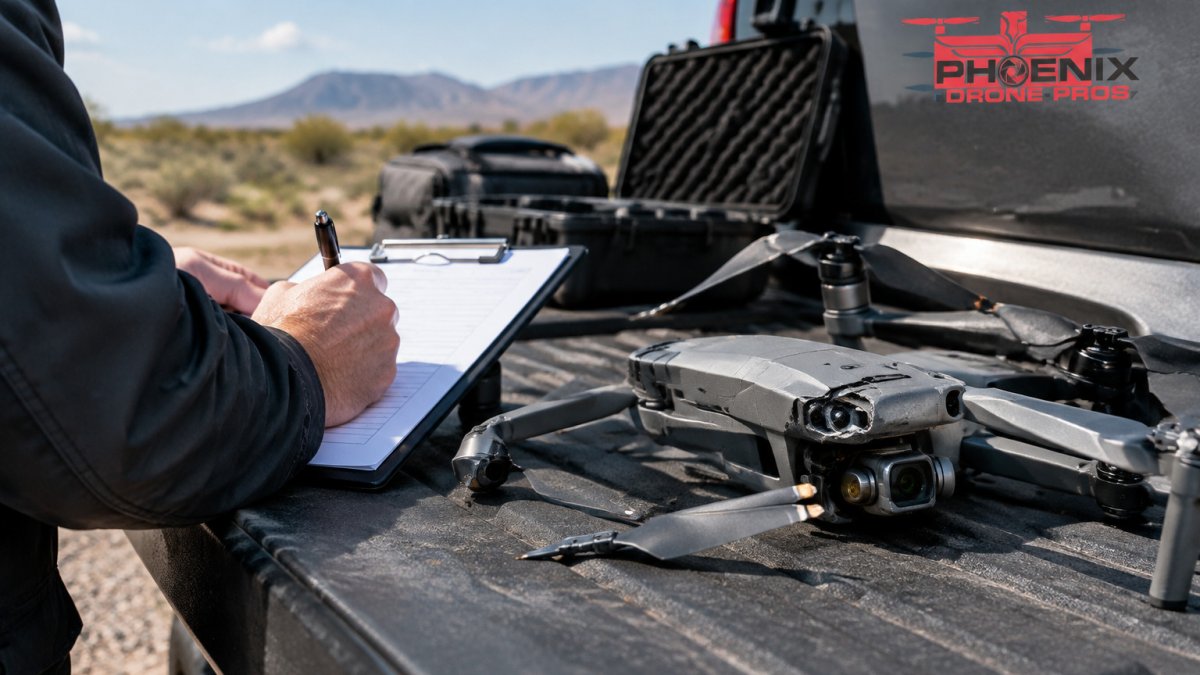
Hull coverage, also called aircraft hull coverage, pays to repair or replace the drone after a crash, theft, or loss.
Payload coverage extends to cameras, sensors, and mapping equipment mounted on the drone. A professional camera rig can cost more than the aircraft carrying it.
Ground equipment coverage handles the support gear: controllers, batteries, cases, and monitors.
FAA guidance on commercial drone operations confirms that liability protection is a business decision, not a federal mandate. That distinction shapes everything below.
Why Commercial Operations Carry More Risk Than Personal Flights
Commercial flights carry more risk because they fly more often, fly closer to people and property, and answer to paying clients.
Flight frequency alone changes the math. More hours in the air means more chances for a mishap.
The environments differ too. Commercial work happens over construction sites, near expensive machinery, above occupied buildings, and around the public.
Client requirements add another layer. Businesses hiring a drone operator often ask for a certificate of insurance before work begins.
Commercial Drone Insurance Cost: What Drives Your Premium
Commercial drone insurance cost depends on how you fly and what you fly, not on a single flat rate.
The main cost drivers:
- Aircraft value. A more expensive drone and payload raise the hull premium.
- Flight frequency. More hours in the air means more risk exposure.
- Coverage limits. Higher policy limits raise the premium.
- Operations type. Flights over people or dense sites cost more to insure.
- Claims history. A clean record keeps premiums lower.
A common mistake is shopping on price alone.
Pricing depends on your aircraft, your flight profile, and the limits you need. Request a quote from Phoenix Drone Pros for current pricing.
Several factors move a commercial drone premium up or down, and none of them is a flat rate.
| Cost driver | Effect on premium |
|---|---|
| Aircraft value | More expensive drone and payload raise hull premium |
| Flight frequency | More hours in the air means more risk exposure |
| Coverage limits | Higher policy limits raise the premium |
| Operations type | Flights over people or dense sites cost more |
| Claims history | A clean record keeps premiums lower |
Drone Liability Insurance Coverage Limits: Matching Policy to Project
Coverage limits should match the worst realistic loss on a given project, not the average one.
Start with the contract. Checking the stated limit is only part of the review; SVF Insurance Agency can help identify exclusions and other coverage gaps that may leave a commercial project exposed.
Then work through the project variables that actually move the exposure:
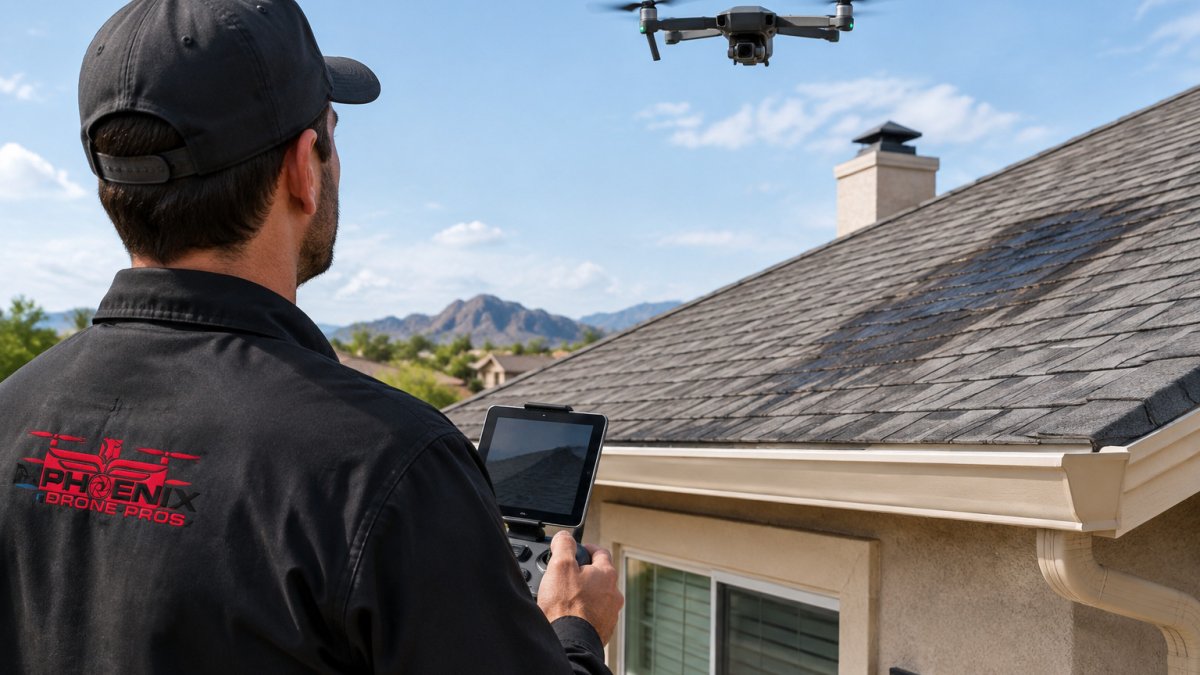
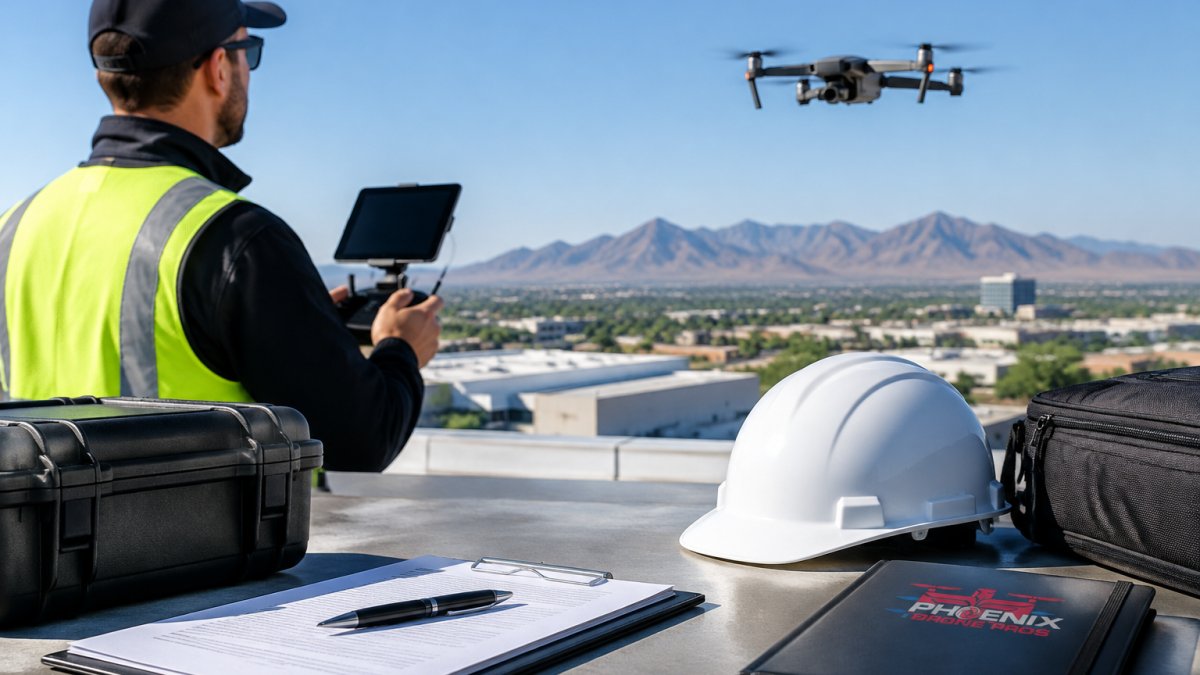
- Site and surroundings. A residential roof inspection over a single-family home carries a different property damage exposure than a multi-building construction site with heavy machinery, stacked materials, and workers at height. The construction site concentrates valuable property and people in the same airspace.
- Flight duration and frequency. A one-day real estate shoot and a multi-week progress documentation contract are not the same risk. More flight hours over the same site multiply the chances of a mishap, and recurring projects should be underwritten with the full timeline in view.
- Aircraft and payload value. A larger airframe with a professional camera or sensor rig raises both the hull exposure and the potential third-party property damage if the aircraft goes down. The payload is often worth more than the drone carrying it.
- People exposure. Flights over occupied buildings, events, film sets, or public spaces raise bodily injury exposure. Limits sized for an empty site can leave a gap when the same operator flies near a crowd.
- Client and contract type. Government and institutional clients frequently require higher limits and specific endorsements. A limit that satisfies a small commercial client may not satisfy a public agency.
Match limits to project type as a starting point, then adjust for the variables above:
- Residential real estate shoots: moderate limits usually fit, because property values and people exposure are lower.
- Commercial property assessments: higher limits for larger property values and occupied buildings.
- Construction sites: higher limits for machinery, materials, and worker exposure, and often additional insured requirements from the general contractor.
- Events and film work: limits sized to crowd exposure and equipment value, with attention to whether the policy excludes flights over people.
Ask the client what limit their contract requires, and ask what endorsements they need. Many commercial contracts name a minimum and require additional insured status.
Part 107 Drone Insurance: What the Certificate Does and Does Not Require
Part 107 drone insurance is a common point of confusion. The Part 107 remote pilot certificate allows commercial flight, and it is separate from liability insurance.
Those are two separate things. Part 107 covers pilot qualifications and operational rules. Insurance covers financial loss after a mishap.
What Part 107 does require is that the remote pilot holds a valid certificate for commercial operations. FAA Part 107 remote pilot certification details lays out those rules.
So why do clients ask for both? Operators who want to build those credentials from the ground up can start with Done flight training, which covers the certification side of the equation.
For the broader compliance picture around Part 107, our commercial drone compliance guide walks through the requirements step by step. If you need to check a pilot's credentials, this guide on how to verify FAA Part 107 certification shows the process.
Reading a Drone Insurance Certificate of Insurance Before You Sign
A drone insurance certificate of insurance is a one-page summary proving coverage is active. It is not the policy itself, and it does not tell the whole story.
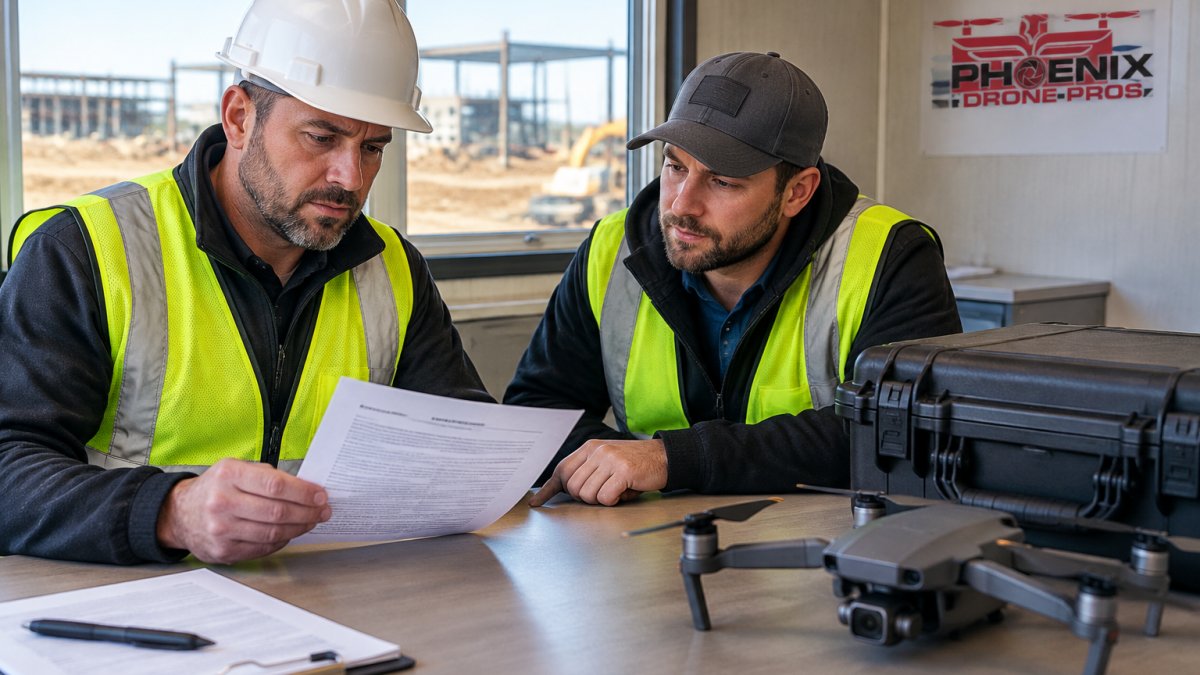
Read it line by line before signing. The certificate should name the insured operator, the policy period, the coverage types, and the limits.
Check these items on every certificate:
- Insured name matches the operator you hired
- Policy dates cover the full project timeline
- Liability limits meet the contract minimum
- Additional insured status is listed if required
- Aircraft and payload are scheduled on the policy
Watch out: a certificate can show active coverage while an exclusion quietly removes the exact work you hired the operator to do. Ask for the exclusions page, not just the certificate.
Exclusions, Claims, and Incident Response: Where Coverage Gaps Hide
Coverage gaps hide in the exclusions, and exclusions are where most disputes start.
Common exclusions to check:
- Flights outside the stated purpose or operation type
- Operations beyond a stated altitude, area, or airspace restriction
- Uncertified or unnamed pilots at the controls
- Intentional acts or reckless flight
- Wear and tear, mechanical breakdown, or manufacturer defects
- Flights over people, where the policy does not extend to that exposure
Exclusions also interact with other coverage.
The claims process matters as much as the coverage. After an accident, the operator should:
- Secure the scene and check for injuries. Render aid and call emergency services if anyone is hurt.
- Document everything. Photograph the drone, the damage, the surrounding area, and any injured party's position. Note weather, time, and location.
- Preserve flight logs and evidence. Do not delete or overwrite flight data, and keep the aircraft and payload in the condition they were in after the incident.
- Notify the insurer promptly. Report the incident within the timeframe the policy requires, and follow the insurer's reporting instructions.
- Avoid admitting fault. Provide facts to the insurer and let the claims process determine liability.
- Keep records of communications. Log every call, email, and letter related to the claim.
Watch out: slow reporting or deleted flight logs can weaken an otherwise valid claim.
Pre-flight checks, site surveys, clear flight boundaries, and documented pilot qualifications can reduce risk exposure on a project.
For a deeper comparison of policy types, see our breakdown of commercial drone insurance vs liability coverage.
Scheduling an Insured Aerial Team for Your Next Project
Scheduling an insured aerial team removes the coverage question from your project checklist. You get documented flights, a certificate on file, and a crew that carries its own protection.
Phoenix Drone Pros brings FAA certification, full insurance, and more than a decade of commercial drone experience to every job. Our pilots handle aerial photography, construction progress documentation, and thermal roof inspections, and our search and rescue and thermal drone services extend that certified, insured approach to higher-stakes missions.
If you want to see what our crews deliver, review what FAA-certified drone pilot services cover or explore insured drone operator services for construction jobs.
Hiring a drone operator without verified coverage puts your project on the hook for a mistake you did not make.
Frequently Asked Questions
What does drone liability insurance cover on a business project?
A commercial drone liability policy typically pays for third-party bodily injury and property damage the aircraft causes during flight operations, including medical costs, repairs, and legal defense. Many policies also add hull coverage for the drone itself, payload coverage for cameras and sensors, and ground equipment protection. Read the exclusions carefully: most policies exclude intentional acts, flights outside FAA authorization, and unregistered aircraft. Ask the operator for the declarations page so you can see exactly which coverages are active before the project starts.
How much does commercial drone insurance cost for a project?
Commercial drone insurance cost depends on aircraft value, flight frequency, payload, and the liability limits a client requires. Higher drone liability insurance coverage limits generally raise the premium. Because rates vary by operator and mission profile, ask the provider for a quote rather than assuming a figure. For a high-end listing shoot or a multi-building construction site, request the certificate before the first flight so the cost is confirmed in writing.
Does a Part 107 certificate mean the drone operator is insured?
No. The FAA Part 107 remote pilot certificate proves the operator passed the knowledge test and can fly legally for commercial purposes. Check the FAA's published rules for current requirements on insurance. Part 107 drone insurance is a separate purchase from a licensed insurer. Some clients and property owners assume the certificate covers damage, which is why asking for a drone insurance certificate of insurance is the only reliable check. Verify the named insured, policy dates, and limits match the entity actually flying your project.
Does the drone operator's insurance cover the client or property owner?
The operator's liability policy responds to claims against the operator, and it can protect a client or property owner when they are added as an additional insured. Ask for that endorsement in writing, plus a waiver of subrogation if your contract requires it. Without the additional insured status, a property owner may face a claim with no direct coverage. Confirm the certificate lists your company or property entity, the project address, and the policy period covering your flight dates.