 comparison
Betterview Alternatives for Site Inspections
Table of Contents
- Why Consider Betterview Alternatives
- Comparison Table: Top Betterview Alternatives
- Drone Inspection Software for Insurance: gNext Platform
- Manual vs Automated Site Inspections: Which Approach Works Best
- Best Drone Service Providers for Commercial Roofing
- Key Features to Evaluate in Site Inspection Alternatives
- How to Choose the Right Alternative for Your Needs
- Conclusion
Last Updated: August 27, 2026
Why Consider Betterview Alternatives
When you're evaluating site inspection software, Betterview has long been a familiar name in the property assessment space. But familiarity doesn't mean it's the right fit for your operation. The inspection technology landscape has shifted dramatically over the past few years, and newer platforms now offer capabilities that either simplify workflows differently or target specific use cases more directly.
The core question isn't whether Betterview works, it does. The question is whether it works best for your situation. Teams managing complex multi-property portfolios, contractors who need rapid turnaround on measurements, and insurers processing high-volume claims all have different priorities. Some need drone-powered aerial data. Others need smartphone-based 3D modeling. Still others need integration with underwriting systems that Betterview may not prioritize.
At Phoenix Drone Pros, we've worked with teams across real estate, construction, and insurance who've tested multiple platforms. What we've consistently seen is that the "best" solution depends entirely on your workflow, team size, and the specific types of properties you inspect. A roofing contractor needs something different than a property manager conducting facade assessments. An insurance adjuster needs something different than a construction project manager tracking progress.
This guide walks through the major betterview alternatives, what each does well, where they fall short, and how to match the right platform to your actual needs.
Comparison Table: Top Betterview Alternatives
| Platform | Best For | Key Strength | Primary Limitation |
|---|---|---|---|
| Phoenix Drone Pros | Aerial inspections, complex sites | FAA-certified pilots, 10+ years experience, thermal imaging | Requires drone deployment scheduling |
| Hover | Roofing estimates, contractors | 3D models from phone photos, material takeoffs | Accuracy within inches, not suitable for all measurements |
| RoofSnap | Residential roofing, insurance | Affordable pay-as-you-go, unlimited DIY measurements | Limited accuracy in rural areas |
| DroneDeploy | Enterprise construction, mapping | Automated flight planning, Procore integration | DJI-only hardware, expensive per-seat pricing |
| gNext Platform | Insurance underwriting, claims | Cloud-based analytics, fraud detection, fast processing | Insurance-focused, custom pricing required |
Drone Inspection Software for Insurance: gNext Platform
The gNext Platform represents a fundamentally different approach to site inspection data. Rather than focusing on the mechanics of data collection, gNext builds workflows around what insurance companies actually need: fast, accurate property intelligence for underwriting and claims decisions.
The platform accepts drone-collected data, vehicle-mounted imagery, or even in-person photos, then applies automated processing and cloud-based analytics. This flexibility matters because not every property assessment requires a drone flight. A straightforward residential claim might be handled through ground-level photography. A complex commercial property might need aerial thermal imaging. gNext lets teams choose the collection method that fits the specific situation.
What separates gNext from traditional inspection software is its focus on downstream workflow. The data doesn't just get stored, it feeds directly into underwriting systems, flagging risk patterns, supporting fraud detection, and accelerating claims processing. For insurance operations managing hundreds of daily claims, this integration saves significant time on manual review steps.
The trade-off is clear: gNext is built for insurance operations at scale. If you're a roofing contractor or real estate agent, this platform won't address your core needs. Pricing requires a custom quote, which signals that gNext targets enterprise-level deployments with substantial claim volumes. Small operations will likely find the cost prohibitive.
Manual vs Automated Site Inspections: Which Approach Works Best
This is where the decision tree actually starts. You need to understand the real difference between sending a person to a site with a clipboard and camera versus deploying technology that captures data automatically.
Manual inspections mean a trained inspector travels to the property, documents conditions through photography and notes, and returns to compile a report. The process is straightforward and requires no special equipment beyond a camera. For straightforward residential properties or situations where you need nuanced professional judgment on structural issues, manual inspection still works. An experienced inspector can identify problems that automated systems miss because they understand context and can ask follow-up questions on site.
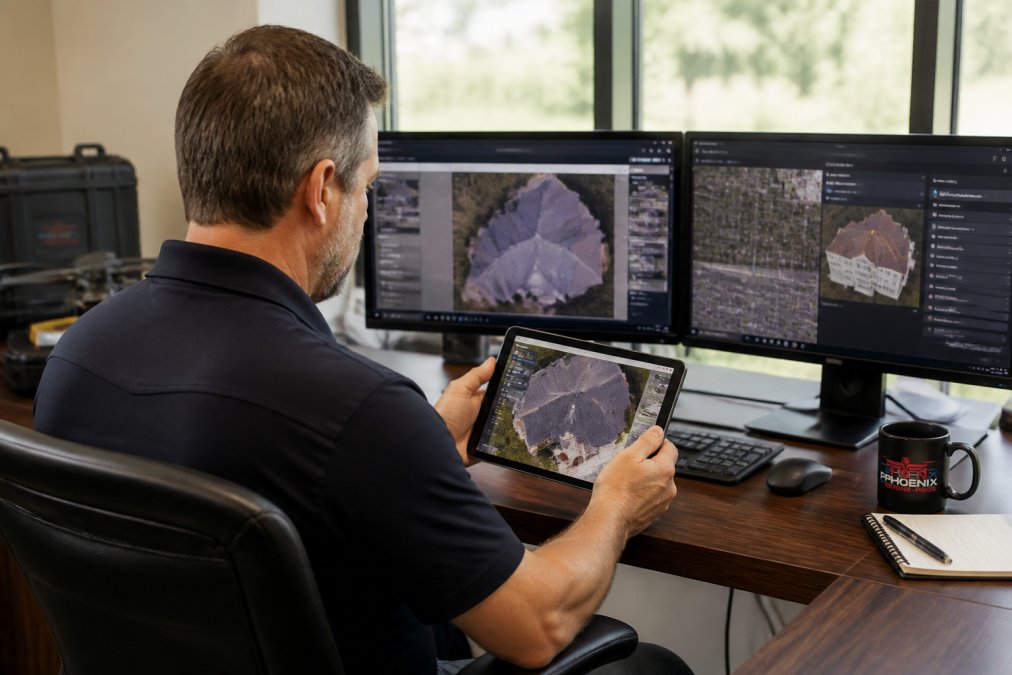
Automated and semi-automated approaches capture data through drones, smartphone apps, or satellite imagery, then process that data through software to generate measurements, 3D models, or condition assessments. The speed advantage is real, a drone flight over a 5-acre commercial property takes 20 minutes. A manual site visit takes hours. The consistency advantage is also real, automated systems capture the same data points every time, with no variation based on inspector experience or fatigue.
The actual choice depends on what you're inspecting and why. For construction progress documentation, automated approaches win decisively. You need consistent visual records week after week, and drones deliver that at scale. For insurance claims on complex roof conditions where you need to assess structural integrity and material condition, manual inspection by a qualified adjuster still often outperforms fully automated systems. For routine property valuations in real estate transactions, smartphone-based 3D modeling tools like Hover deliver fast, accurate measurements without the cost of a drone deployment.
The hybrid approach, using automated tools for initial data capture, then having specialists review and interpret, often delivers the best balance. You get speed and consistency from the technology, plus human judgment where it matters most.
Best Drone Service Providers for Commercial Roofing
When you need aerial inspection specifically for commercial roofing, the decision shifts from software to service provider. The equipment and expertise required to safely inspect a multi-story commercial roof are fundamentally different from what a standard inspection software platform provides.
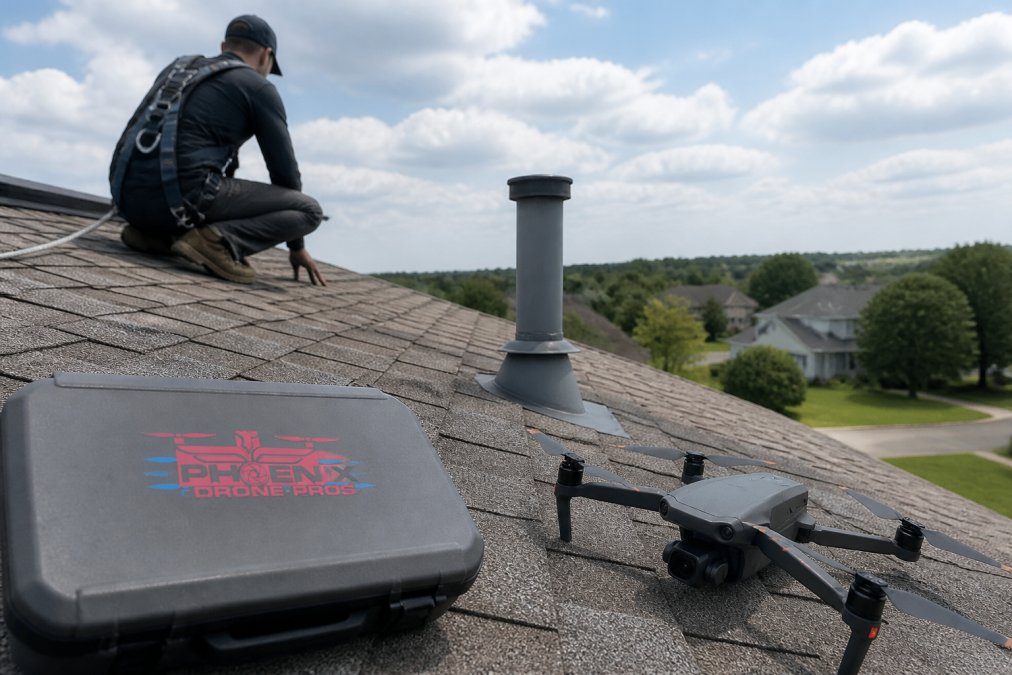
Commercial roofing inspection requires FAA certification, proper insurance coverage, and experience with the specific challenges of industrial and commercial properties (faa.gov). A 10-story office building, a manufacturing facility with complex HVAC systems, or a shopping center with multiple roof sections all present different risks and require different approaches.
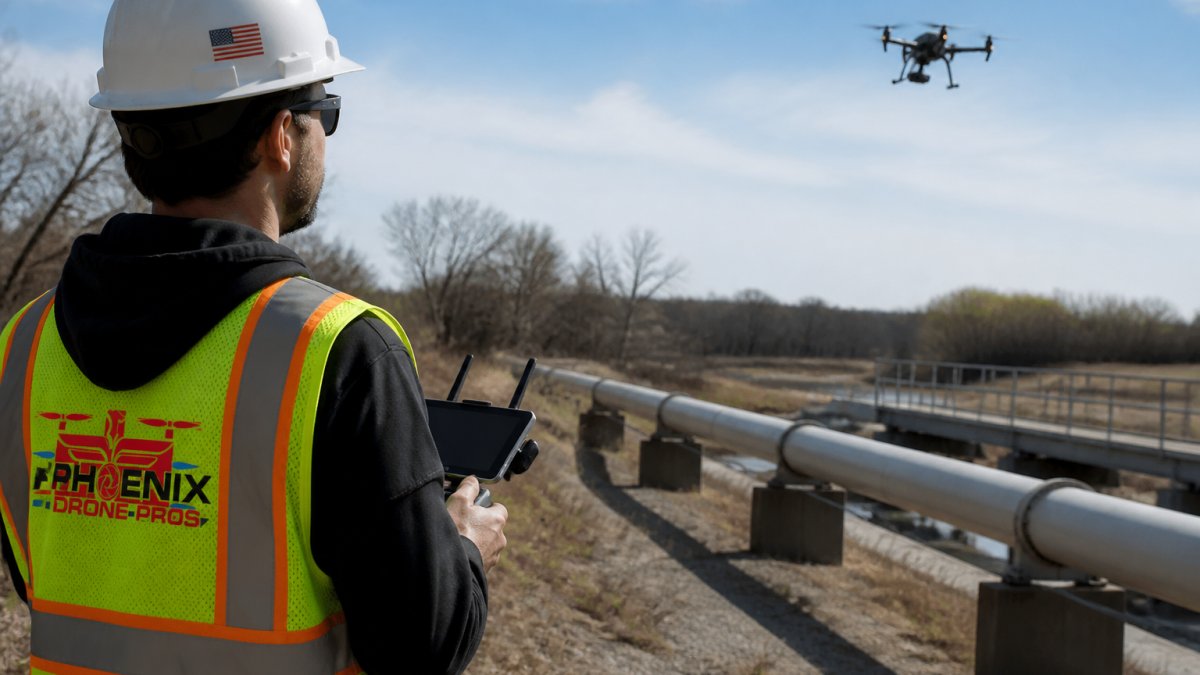
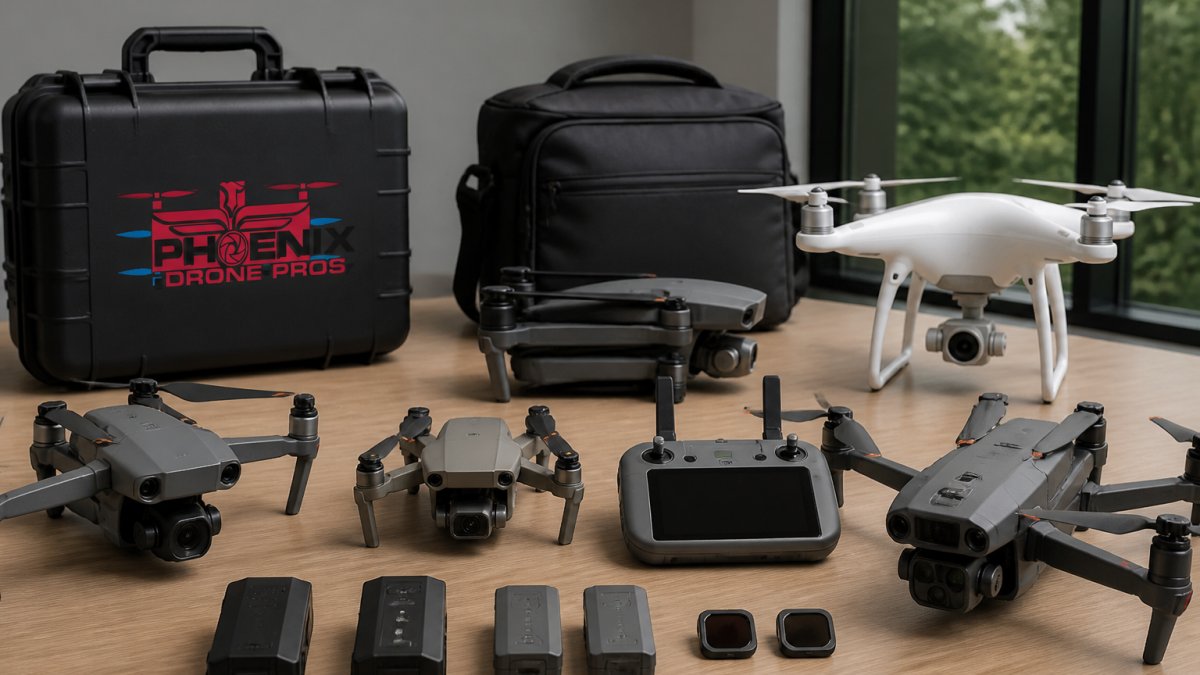
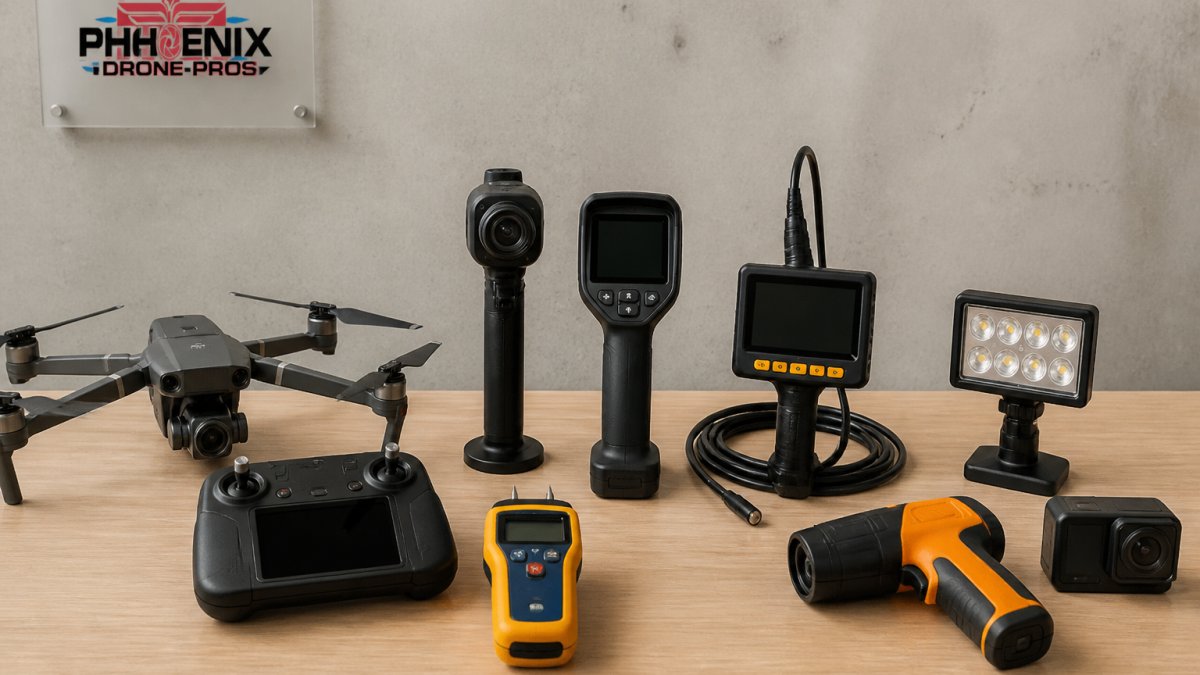
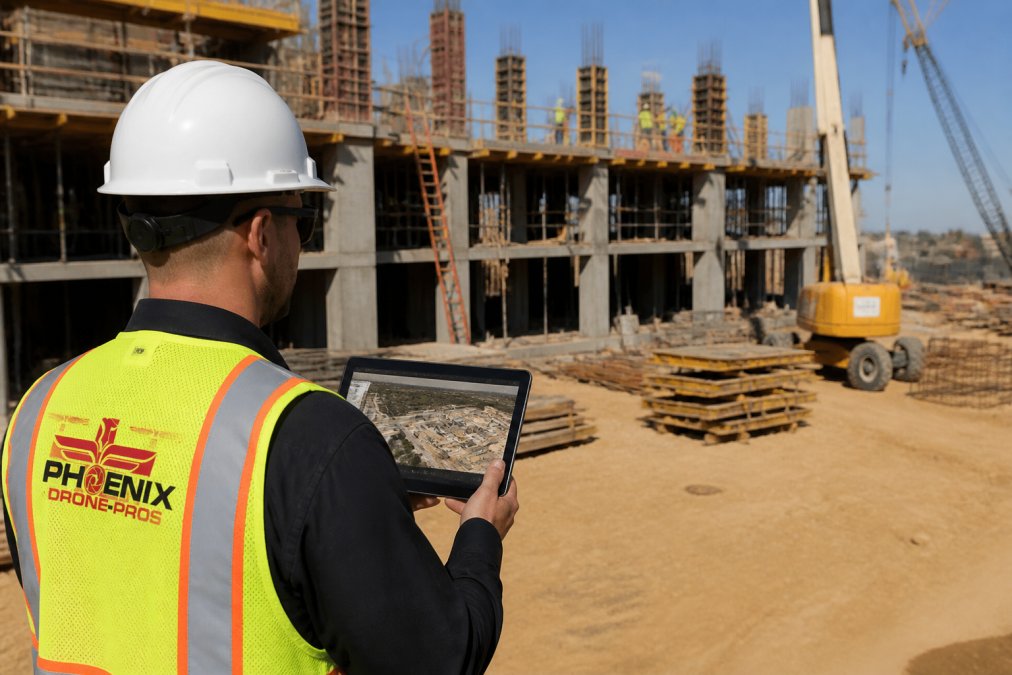
Phoenix Drone Pros brings 10+ years of commercial drone experience to this specific problem. The team is FAA-certified, fully insured, and equipped with thermal imaging capabilities that detect moisture and insulation problems invisible to standard cameras. For a commercial property manager or facilities team, this matters because thermal data reveals developing problems before they become expensive failures. A wet spot on a commercial roof that's invisible to the eye shows up clearly in thermal imagery, allowing you to address it before water damage spreads through the building (peer-reviewed research).
The alternative is to hire a general drone service with less specialized experience, which often means longer turnaround times, less sophisticated analysis of what the imagery actually shows, and potentially missing the kinds of problems that matter most to property condition. You also face the risk of working with operators who lack proper insurance or certifications, which creates liability exposure for your organization. real estate software.
For commercial roofing specifically, the service provider's experience and certifications matter more than software features. You're buying expertise, not just data collection.
Key Features to Evaluate in Site Inspection Alternatives
When you're comparing platforms, certain features consistently separate tools that work from tools that create more problems than they solve. These aren't theoretical, they're the capabilities that determine whether your team can actually use the software as part of their daily workflow.
Mobile functionality and offline access matter more than most guides acknowledge. If your inspectors are working in areas with poor connectivity, a platform that requires constant internet access becomes useless. Hover and RoofSnap both handle offline operation well, you capture data without connectivity and sync when you return to the office. DroneDeploy requires active connectivity for flight planning, which limits its use in remote areas.
Integration with your existing systems determines whether the software becomes a workflow accelerant or a data silo. If you're using Procore for construction project management, DroneDeploy's native integration saves significant manual data entry. If you're using insurance underwriting systems, gNext's integration with claims workflows eliminates duplicate data handling. If you're a roofing contractor using estimating software, RoofSnap's connection to material ordering and proposals is valuable. A platform that doesn't integrate with what you already use becomes extra work.
Speed of deployment and learning curve are underestimated factors. RoofSnap's unlimited DIY measurement feature means your team can start using the platform immediately without waiting for professional measurement reports. Hover's smartphone-based approach requires minimal training, anyone with a phone can capture initial property data. DroneDeploy requires flight planning expertise and drone operation skills, which means onboarding takes longer and you need trained operators.
Accuracy specifications and limitations vary significantly. Hover provides measurements within a few inches, which works for most roofing and siding estimates but may not suit structural engineering analysis (peer-reviewed research). RoofSnap's accuracy degrades in rural areas with lower-resolution satellite imagery. Drone-based platforms like DroneDeploy deliver higher accuracy but require more controlled conditions and professional operation.
Reporting capabilities and customization determine whether you can generate the specific reports your clients or internal stakeholders actually need. Some platforms offer rigid templates. Others let you build custom reports. For insurance adjusters and contractors who need to present findings to different audiences, reporting flexibility matters.
Cost structure and scaling affect whether the platform remains affordable as your operation grows. RoofSnap's pay-as-you-go model works well for occasional measurements but becomes expensive at high volume. DroneDeploy's per-seat pricing scales poorly for large teams. Hover's subscription approach provides predictable costs. Phoenix Drone Pros's service model means you pay for what you actually use without per-user or per-scan fees.
How to Choose the Right Alternative for Your Needs
The decision framework is simpler than the feature comparison suggests. Start with your actual workflow, not with what features sound impressive.
If you're a roofing contractor or solar installer, you need fast, accurate measurements and material takeoffs. RoofSnap and Hover both excel here. RoofSnap's pay-as-you-go model works if you're doing occasional measurements. Hover's smartphone-based approach works if your team is already comfortable with mobile-first workflows. The choice between them depends on whether you value unlimited DIY measurements (RoofSnap) or prefer professional measurement reports (Hover).
If you're a construction project manager, you need consistent progress documentation and site volumetrics. DroneDeploy is the platform built for this, particularly if you're already using Procore. The per-seat pricing is expensive, but the workflow integration and automated flight planning save time on complex sites. If cost is the primary concern and you have experienced drone pilots on staff, you could use less expensive drone software and handle the data processing yourself, but you lose the Procore integration and automated analysis.
If you're an insurance operation, gNext Platform is purpose-built for your workflow. The integration with underwriting and claims systems, fraud detection capabilities, and fast data processing directly address what your team needs. The custom pricing means you need to contact sales, but for high-volume operations, the cost is justified by the workflow efficiency gains.
If you're a property manager or real estate professional, Phoenix Drone Pros offers the most direct solution. Rather than licensing software, you're engaging a service provider who handles the technical complexity. FAA certification, insurance, equipment, and expertise are all included. For occasional inspections or complex properties where you need professional-grade thermal imaging, this approach avoids the overhead of building internal drone capabilities.
If you need occasional aerial inspection without the overhead of software licensing or hiring a service, Hover represents the lowest-friction entry point. Smartphone photos become 3D models and measurements. No special equipment. No training required. The accuracy is sufficient for most purposes, and the cost is minimal.
The wrong choice is trying to force one platform to handle multiple different use cases. A roofing contractor trying to use enterprise construction software ends up paying for capabilities they don't need. A construction company trying to use consumer-grade tools ends up with data quality problems. Match the tool to the actual problem you're solving.
Conclusion
Choosing a betterview alternative isn't about finding the "best" platform in the abstract. It's about matching your specific workflow, team capabilities, and property types to the solution that handles them most efficiently. Some operations need software flexibility. Others need service provider expertise. Most benefit from a combination approach, using software for routine inspections and engaging specialists for complex sites.
If your team is managing commercial properties with complex roofing conditions, conducting thermal assessments, or working in challenging access situations, Phoenix Drone Pros eliminates the software licensing overhead entirely. Our FAA-certified team brings 10+ years of commercial drone experience, thermal imaging capabilities, and local pilot availability to every project. For detailed property views, construction progress documentation, and aerial inspections that actually inform decisions, contact Phoenix Drone Pros to discuss your specific inspection needs and get a customized approach that fits your operation.
Frequently Asked Questions
What are the best Betterview alternatives for property inspections?
The best alternatives depend on your specific needs. DroneDeploy excels for construction progress monitoring with strong integrations. Hover offers affordable 3D modeling from smartphone photos without drones. RoofSnap specializes in roofing measurements with DIY options. gNext Platform targets insurance workflows with automated claims processing. Phoenix Drone Pros provides full-service aerial inspections with FAA-certified pilots for complex commercial properties requiring professional expertise and local availability.
How does drone inspection software for insurance differ from general site inspection tools?
Insurance-focused drone inspection software like gNext Platform integrates directly with underwriting and claims workflows, automating fraud detection and risk assessment. These platforms emphasize secure cloud storage, compliance reporting, and integration with insurance systems. General site inspection tools prioritize flexibility across industries, measurement accuracy, and field crew management. Insurance platforms typically require custom pricing and compliance with regulatory standards, while general tools offer subscription flexibility.
When should I choose manual vs automated site inspections?
Choose automated site inspections when you need speed, consistency, and scalability across multiple properties. Automated platforms work well for routine assessments and standardized reports. Manual inspections through professional drone services like Phoenix Drone Pros are better for complex properties, thermal analysis, structural concerns, or when you need expert interpretation of findings. Manual inspections also provide better accuracy in difficult terrain or when detailed photography is critical for high-value properties.
What features matter most when selecting a Betterview alternative?
Prioritize integration capabilities with your existing workflow systems, ease of deployment for your team, and reporting customization. For drone-based solutions, verify FAA certification and insurance coverage. Consider offline synchronization for field crews without constant connectivity, real-time data sync for urgent decisions, and whether the platform supports your specific hardware. Compliance reporting, GPS geotagging accuracy, and user interface simplicity are critical for operational efficiency and data reliability.
Are local drone service providers better than automated platforms for commercial roofing?
Local drone service providers like Phoenix Drone Pros offer advantages for complex commercial roofing projects: they provide thermal imaging for hidden damage detection, expert interpretation of structural issues, and professional-grade deliverables. Automated platforms like RoofSnap excel for quick measurements and cost efficiency on standard residential roofs. For commercial properties with multiple buildings, tight deadlines, and complex conditions, professional drone services deliver more reliable risk assessment and actionable insights that automated measurements alone cannot provide.
This article was written using GrandRanker